
Why Do Your Teeth Still Feel Sticky Even If You Brush Twice A Day
We reveal the unnoticeable daily small habits that undermine your oral health, and share super easy adjustments that take no extra time in your routine
It is a familiar scenario for almost every person: you drag yourself out of bed in the morning, stand in front of the bathroom sink, move your toothbrush around in your mouth for two full minutes as recommended by every dentist, spit out the minty foam, and rinse your mouth with a big gulp of water. You run your tongue over the surface of your teeth to check the cleaning effect, only to find that there is still a thin, weird sticky layer covering the outer side of your front teeth, which never goes away no matter how many times you rinse again. Most people will blame this strange feeling on leftover toothpaste, or even think their toothpaste is of low quality, and rush to buy a new fancy brand that costs three times more than their old one, only to find the sticky layer shows up again the next morning. This is not a problem with your toothpaste, nor a sign that you do not brush hard enough, it is a clear signal that you have been doing a series of small mistakes in your daily tooth care routine for a very long time, and these hidden wrong habits have been slowly damaging your teeth without you noticing.
One of the most common wrong habits that almost half of the population makes is brushing their teeth immediately after a meal, especially after they drink a cup of iced cola, orange juice or eat a sour salad with vinegar. Food and drinks with high acidity will soften the thin layer of enamel on the outer surface of your teeth temporarily, and if you rub the softened enamel with hard toothbrush bristles right away, you will scrape off a tiny part of the protective layer that you can never grow back. Over several years of doing this, your teeth will become far more sensitive to hot and cold food, turn an uneven yellow shade, and get more chances to develop tiny cavities. Another widely spread mistake is rinsing your mouth repeatedly with big amounts of water right after brushing. Most people think it is cleaner to wash every bit of toothpaste foam away, but the fluoride contained in your toothpaste that is meant to repair tiny enamel damage and block bacteria from sticking to your teeth will be washed away completely the second you rinse too much. All you need to do after brushing is spit out the extra big foam blobs in your mouth, leave the thin residual fluoride layer covering your teeth, and avoid eating or drinking anything for 30 minutes, and you will get double the protective effect without doing any extra work.
Many people also ignore the tiny details related to their tooth cleaning tools, and pay the price with unexpected dental issues later. A lot of people will keep using the same toothbrush for more than 6 months until all the bristles bend and pop out in different directions, because they think the brush still works fine for cleaning. The truth is, a toothbrush that has been used for 3 months already carries more accumulated bacteria than the edge of your kitchen sink where you wash dishes, and these bacteria will be transferred directly to your mouth every time you brush, raising your chance of getting gum inflammation for no obvious reason. Another widely believed myth is that using dental floss will widen the gaps between your teeth, and a lot of people refuse to use floss for this very reason. The fact is, the gaps between your teeth are already there, and the food scraps stuck in these gaps that you can never reach with a normal toothbrush will start to break down and produce acid to erode your hidden tooth surfaces within 48 hours. The tiny hidden cavities that form between two teeth usually do not cause any pain until they reach the nerve inside the tooth, and by that time, you will have to spend hundreds of dollars on root canal treatment and a dental crown, which is thousands of times more expensive than a box of dental floss that only costs a few dollars.
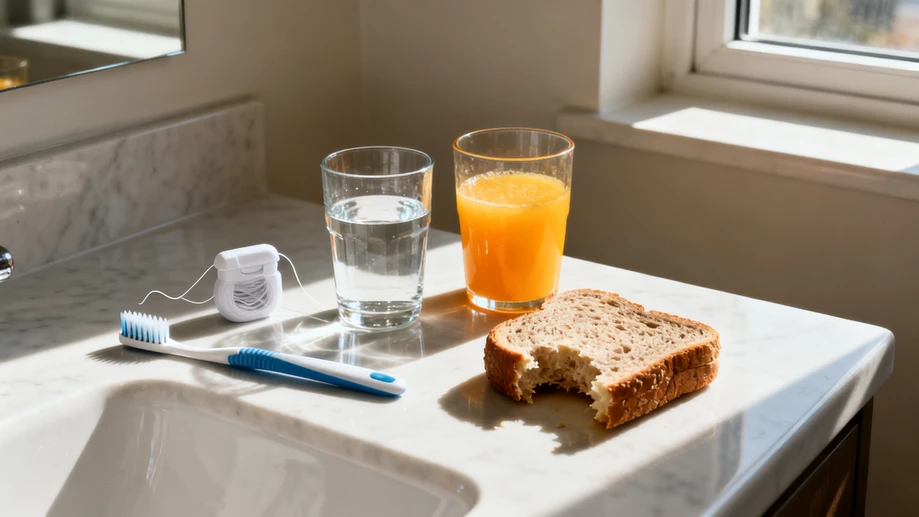
You do not need to make huge changes to your daily routine to get far better oral health results, all the small tweaks are easy to remember and take almost no extra time. You can keep a bottle of plain tap water next to your dining table, and take a small sip to rinse your mouth well right after you finish eating any food or drink any sugary beverage, then wait for half an hour before you start brushing your teeth. When you store your toothbrush after use, always place the brush head facing up in an open cup that gets good air flow, never put it with the bristle side down touching the bottom of a closed cup, since the damp dark environment is perfect for bacteria to multiply rapidly. You do not need to carve out extra time to floss every day either, you can easily finish the whole flossing process while you are watching your favorite show on the couch at night, or waiting for your takeout to arrive. After you stick to these tiny good habits for two to three weeks, you will notice the sticky weird feeling on your teeth disappear completely, and the smooth clean feeling can last for the whole rest of the day, instead of fading away 10 minutes after you step out of the bathroom. Your next dentist check-up will definitely surprise you, with far less tartar and hidden cavity signs than you had in previous years.