
Your Teeth Are Begging You to Stop These 5 Sneaky Habits
How innocent daily routines create dental disasters without you noticing
Picture this: you're crunching ice cubes on a hot afternoon, tearing open a stubborn package with your teeth, or grinding away at work stress while you sleep. These seem like harmless quirks, right? Think again. Your teeth endure a daily assault from habits you barely register. Enamel – the hardest substance in your human body – isn't invincible. Microscopic cracks from chewing ice accumulate like hairline fractures in a windshield. That package-tearing trick? It's the dental equivalent of using a Stradivarius violin to hammer nails. The scary part? Damage often progresses silently until you're staring at a four-figure dental bill.
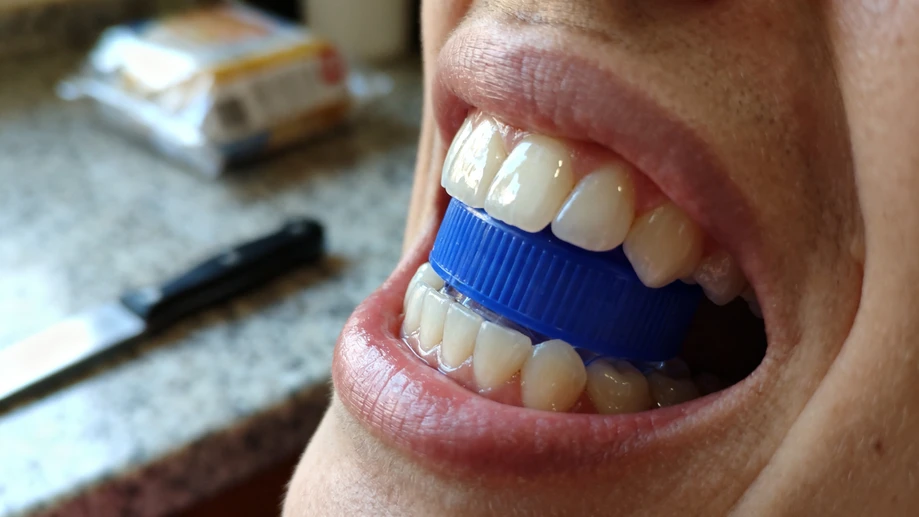
Consider the nocturnal grinders. Bruxism affects nearly 1 in 3 adults, often triggered by stress. While you're dreaming of tropical vacations, your molars wage World War III with up to 250 pounds of force per square inch – six times stronger than normal chewing. This nightly demolition derby flattens teeth, causes migraines, and can even change your facial structure over time. Similarly, using teeth as tools creates immediate dangers. Opening bottles, tearing tape, or holding objects between teeth applies uneven pressure. One sudden slip could crack a tooth vertically – the most catastrophic and expensive fracture requiring crowns or implants.
Acid attacks pose another invisible threat. Sipping soda or lemon water throughout the day creates a perpetual acid bath. Each sip lowers your mouth's pH for 20 minutes, dissolving enamel faster than it can remineralize. Wine lovers aren't spared either; red wine's tannins stain while its acidity erodes. Even "healthy" habits backfire: brushing immediately after acidic meals scrubs away softened enamel. The worst offender? Pool swimmers with improperly chlorinated water. Chronic exposure to low-pH pool water dissolves front teeth surfaces, creating translucent "swimmer's calculus" that looks like frosted glass.
Nail-biters and pen-chewers invite double trouble. Beyond introducing bacteria from hands to mouth, this habit chips front teeth and stresses jaw joints. The constant pressure can displace teeth over time, leading to malocclusion. Meanwhile, tongue and lip piercings become ticking time bombs. Metal jewelry chips enamel during speech and chewing, while 43% of people with oral piercings develop gum recession – exposing sensitive roots. The most surprising villain? Overzealous brushing. Scrubbing teeth like dirty dishes with hard-bristled brushes erodes gum tissue, creating painful V-shaped notches near the gumline that require composite fillings.
The silver lining? Simple fixes exist. Swap ice-chewing for chilled water. Use scissors religiously. For bruxism, custom nightguards cost less than a single crown. Combat acid erosion by rinsing with water after acidic drinks and waiting 30 minutes before brushing. Switch to soft-bristled brushes using gentle circular motions – electric toothbrushes with pressure sensors prevent overbrushing. Schedule regular dental checkups; small issues like microcracks or early gum recession are far cheaper to fix when caught early. Your teeth didn't evolve to open Amazon packages or withstand nightly stress marathons. Treat them like priceless china – because biologically speaking, they're far more irreplaceable.