
Five Secrets to a Dazzling Smile You Haven't Tried Yet
Unlock the Truth Behind Whiter Teeth and Boost Your Confidence
Imagine catching your reflection after coffee and wincing at stained teeth—a universal struggle. Teeth whitening isn't just vanity; it's science meeting self-care. Enamel, your teeth's armor, naturally yellows over time, while microscopic pores trap pigments from wine, berries, and even your morning tea. But here's the twist: saliva constantly fights back, slowly dissolving stains. Modern whitening exploits this battle, using peroxide to oxygenate those trapped pigments, breaking them into invisible fragments. It's chemistry in your mouth, turning back the clock one smile at a time.
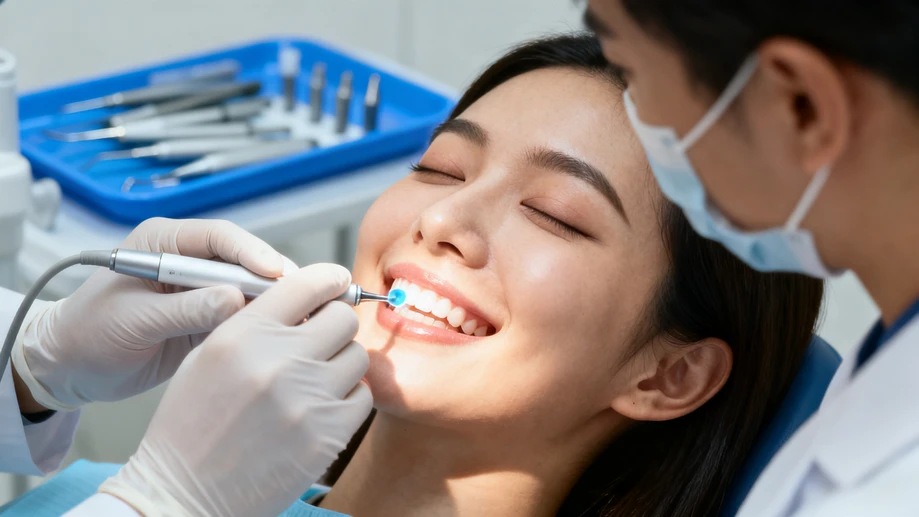
Forget the one-size-fits-all myth. Professional in-office treatments zap stains with concentrated gels activated by LED lights, delivering dramatic results in 60 minutes—ideal for pre-wedding emergencies. At-home kits offer gradual magic: custom trays with lower peroxide concentrations work while you binge-watch shows. Even whitening toothpaste plays a role, gently sanding surface stains with silica. But beware DIY disasters! Baking soda scrubs erode enamel, and lemon juice—a viral hack—is pure acid that etches teeth. Always consult your dentist; yellowed teeth might hide cavities needing attention first.
Ever wonder why some whitening results vanish faster than ice cream in summer? Your lifestyle holds the key. Smoking and red wine are notorious saboteurs, but even healthy spinach contains iron that bonds to enamel. The fix? Sip staining drinks through a straw and rinse with water post-meals. Temperature matters too—hot coffee opens enamel pores wider than iced, inviting stains to settle in. For lasting brightness, top off whitening with "touch-up" trays every 6 months. Remember, teeth aren't porcelain; they're living tissues. Over-bleaching causes sensitivity, so moderation is your smile's best friend.
Technology now targets stubborn internal stains from antibiotics or trauma. Enter "internal bleaching," where dentists place peroxide inside discolored teeth—a lifeline for grayish smiles. Meanwhile, charcoal trends baffle scientists: its abrasiveness may scratch enamel, and zero evidence supports its whitening claims. For natural options, crunchy apples and celery act like edible toothbrushes, stimulating saliva to wash away debris. But true transformation? That's science, not snacks. Clinics now use digital shade guides to track progress objectively, moving beyond "looks whiter" guesses to measurable brilliance.
The future sparkles with innovation. Nano-hydroxyapatite toothpaste—inspired by tooth enamel itself—remineralizes teeth while whitening. Researchers are even exploring probiotics to outcompete stain-causing bacteria. Yet the core truth remains: whitening is safe only on healthy teeth and gums. Sensitivity? Potassium nitrate gels soothe nerves instantly. Costs vary wildly, but consider this: a $500 professional treatment often outlasts five $100 drugstore kits. Ultimately, confidence gleams brighter than any LED light. Your smile is your signature—keep it authentic, keep it radiant.