
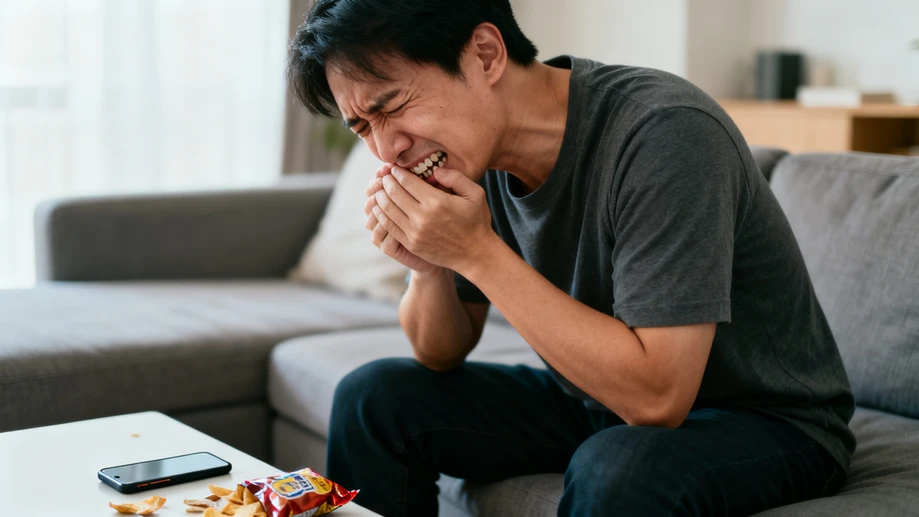
Your Teeth Are Screaming for a Rescue!
Discover how your innocent daily quirks are secretly sabotaging your smile.
Imagine this: you're crunching ice cubes after dinner, feeling that satisfying chill, or maybe you're using your teeth to pry open a stubborn package. It seems harmless, right? But your teeth are silently crying out for help! Everyday habits like these might feel like no big deal, but they're stealthy villains in the story of your oral health. Think of your teeth as delicate treasures—not tools for tough jobs. When you treat them casually, you're inviting a host of problems that can turn your bright smile into a dental disaster. This article dives into the surprising ways your routine actions are wearing down your pearly whites, and why it's time to listen to their silent pleas. Get ready for a fun, eye-opening journey that might just save you from a world of pain.
So, what are these sneaky habits? Let's start with the classics: biting nails during stressful moments, chewing on pens while deep in thought, or grinding teeth at night. These might seem like harmless tics, but they put constant pressure on your enamel, the hard outer layer that protects your teeth. Then there's the love for sugary snacks and acidic drinks—sodas, energy drinks, or even that daily orange juice. They create a party for bacteria in your mouth, producing acids that eat away at your teeth over time. Don't forget using your chompers as makeshift tools, like opening bottles or tearing tags. It's like asking a fragile vase to hold a hammer—eventually, it cracks. These habits are so common that most people don't realize they're doing them, making them silent saboteurs of dental bliss.
Now, the real kicker: the hidden harms. When you grind your teeth (a habit called bruxism), you're not just annoying your partner with nighttime noises—you're eroding enamel, leading to chips, fractures, and even tooth loss. Biting hard objects? That can cause micro-cracks, which turn into painful sensitivity or cavities. Acidic foods and drinks? They soften enamel, making teeth vulnerable to decay and discoloration. Over time, these habits escalate into gum disease, where inflamed gums recede, exposing roots and causing agony. Worst of all, it's not just about pain; poor oral health links to bigger issues like heart disease or diabetes. Studies show that up to 90% of adults have at least one bad dental habit, and ignoring them can mean costly dentist visits or dentures down the line. It's a slow-motion wreck that starts with innocent actions.
Why do these habits wreak such havoc? It's all about biology. Your teeth are designed for chewing food, not enduring constant assault. Enamel, though tough, can't regenerate once worn down. When you bite hard objects, you create stress points that weaken the structure. Acidic substances lower your mouth's pH, allowing bacteria to thrive and produce plaque—a sticky film that hardens into tartar if not brushed away. This tartar irritates gums, causing inflammation and recession. Nighttime grinding adds mechanical wear, thinning enamel and straining jaw muscles, leading to headaches or TMJ disorders. The irony? These habits often stem from stress or boredom, turning your mouth into a battleground without you even noticing. Understanding this science isn't just fascinating—it's empowering, showing how small changes can prevent big problems.
Fear not, though—rescue is possible! Start by swapping bad habits for good ones: chew sugar-free gum instead of ice, use scissors for packages, and sip water after acidic drinks to neutralize acids. For grinders, a dentist can fit you with a night guard to cushion the blow. Regular brushing and flossing are non-negotiable; aim for twice a day with fluoride toothpaste to strengthen enamel. Cut back on sugary treats, and if you must snack, choose cheese or nuts that help remineralize teeth. Mindfulness helps too—catch yourself biting nails and redirect to a stress ball. Simple steps like these build a fortress around your smile. Remember, prevention is cheaper and easier than repair; a few tweaks today can save you from root canals tomorrow.
In the end, your teeth are loyal soldiers that deserve better than being treated like Swiss Army knives. By breaking these habits, you're not just avoiding pain—you're investing in a lifetime of confident grins and healthy living. So next time you reach for that ice cube or pen, pause and think: is it worth the scream? Make the change now, and let your smile shine brighter than ever. After all, a happy mouth is a happy life!