
Why Do Our Teeth Hate Us Even When We Brush Twice A Day
Dentists break down little-known daily habits that quietly damage your oral health without you noticing
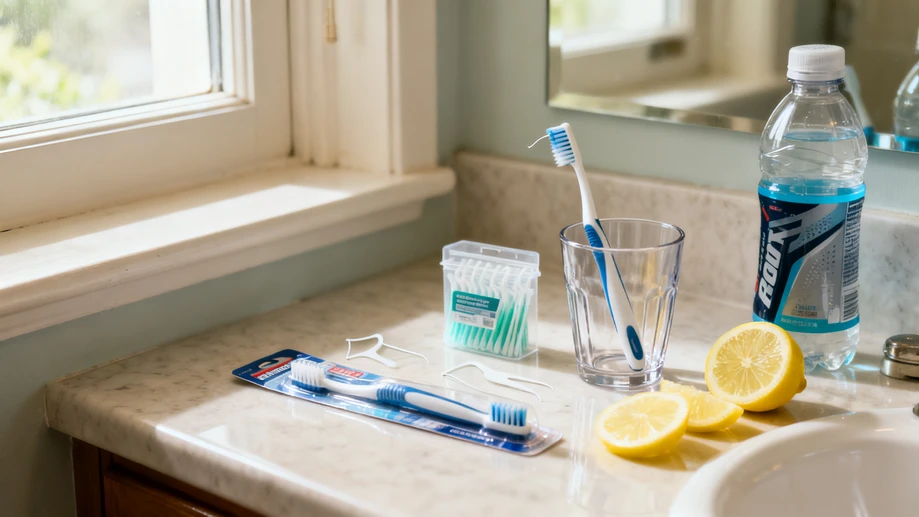
Almost everyone has had the frustrating experience of walking out of a routine dental checkup with a new cavity diagnosis, even when they have stuck to a strict twice-daily brushing schedule for years. Many people blame bad genes or random bad luck for unexpected tooth pain, but the vast majority of unanticipated oral health issues come from tiny, everyday habits no one warned them about. One of the most overlooked of these habits is brushing your teeth immediately after drinking or eating acidic food or drinks. The enamel that forms the hard outer layer of each tooth softens temporarily when exposed to acid from lemon water, soda, sports drinks, even fruit juice and sour candy. If you scrub your teeth right after consuming these items, the abrasive particles in your toothpaste will scrape away tiny particles of the already softened enamel, causing permanent wear that builds up over months and years. The simple fix most people miss is to wait at least 30 to 60 minutes after eating acidic food, or rinse your mouth out with plain water first to neutralize the acid before you pick up your toothbrush.
Most people do not realize that tooth enamel is the only part of the entire human body that cannot repair or regenerate itself. Unlike your skin, which grows new cells to heal cuts in a matter of days, or your bones, which knit themselves back together after a fracture, enamel contains no living cells at all. Once a tiny spot of enamel is worn away by acid or eaten through by bacteria from leftover food, there is no natural process that can grow that missing layer back. A lot of people make the dangerous mistake of ignoring tiny early cavities because they do not feel any pain, assuming the spot will heal on its own or stop getting worse. By the time you feel a sharp twinge when you eat something cold or sweet, the decay has already worked its way all the way through the enamel and into the soft living pulp inside the tooth, which means you will likely need a root canal treatment to save the tooth instead of a simple cheap filling. If you put off that visit even longer, the infection can spread to the root tip and cause painful abscesses that damage the bone holding your tooth in place.
Hidden small habits that put unnecessary stress on your teeth are even more common, and most people do not even notice they are doing them on a regular basis. People use their teeth to open plastic snack bags, rip off price tags, bite the caps off soda bottles, chew on pen caps when they are bored, and crunch on ice cubes in their drinks during hot summer days. Every one of these non-eating related uses puts uneven pressure on your teeth that your jaw was never designed to handle, creating tiny invisible micro-cracks in the enamel that you cannot see on the surface. These micro-cracks get bigger and bigger over months of repeated force, and many people find themselves suddenly chipping off a whole chunk of a perfectly fine-looking tooth when they bite down on a soft piece of bread or a small almond years later. A huge number of people also grind their teeth in their sleep without having any idea they are doing it, waking up with sore jaw muscles or a dull ache in their temples in the morning. Over years of unaddressed night grinding, the sharp raised cusps on the top of your molars get worn completely flat, and the constant pressure loosens your teeth slightly and wears down the underlying dentin, leading to constant sensitivity that no amount of desensitizing toothpaste can fix. A cheap, custom fitted night guard from your dentist absorbs all that pressure while you sleep and prevents almost all of that unnecessary wear for decades.
Some of the most widespread oral health myths actively make people avoid simple, cheap care that would save them thousands of dollars and a huge amount of pain later in life. The most common of these myths is the claim that regular professional dental cleaning makes your teeth looser and creates bigger gaps between them. The exact opposite is true: the gaps you see after your first cleaning were already there, filled in completely by hard, yellow tartar that builds up from leftover plaque you cannot scrub off with a toothbrush. That tartar constantly irritates your gums and makes them pull away from the surface of your teeth, creating deep pockets that trap more bacteria and slowly dissolve the jaw bone that holds your teeth in place. The tartar was only holding your loose teeth in place artificially, and if you never get it removed, the bone will keep dissolving until your teeth fall out on their own long before you reach old age. Another harmful myth is that flossing makes gaps between your teeth larger. Standard dental floss is thinner than the narrowest gap between two healthy teeth, so it cannot possibly push them apart. All it does is scrape out the tiny bits of food that get stuck between your teeth that no toothbrush bristle can reach, bits that will rot and create hidden cavities on the side of the tooth in less than 48 hours if they are left untouched.
It is funny to think that most people will happily drop hundreds of dollars on a new takeout meal or a new pair of sneakers, but hesitate to spend 100 dollars for a routine dental checkup and cleaning that could prevent thousands of dollars of expensive implant or root canal work 10 years down the line. Your teeth work for you every single day, grinding up thousands of bites of food for every meal for decades on end, and the total time most people spend taking care of them over the course of a whole year adds up to less than 12 hours. That tiny investment of time pays off far more than most people realize: people who keep all their natural teeth well into their 70s and 80s do not have to deal with the awkwardness and discomfort of removable dentures, and they can enjoy all their favorite foods without worrying about sharp pain or broken teeth. You do not need fancy expensive electric toothbrushes or 20 different specialty dental products to keep your teeth healthy long term, you just need to break those tiny hidden bad habits, listen to your dentist, and give your teeth the tiny amount of daily care they actually deserve.