
Is That Wisdom Tooth Really Worth the Trouble?
A lighthearted journey into the science and stories behind wisdom teeth removal.
Wisdom teeth, those sneaky latecomers at the back of your mouth, have a name that hints at enlightenment—but in reality, they often bring more chaos than clarity. Historically dubbed "wisdom teeth" because they erupt in your late teens or early twenties, when you're supposedly wiser, these third molars were once essential for chewing tough, prehistoric diets. Today, with our softer modern foods, they're like uninvited guests at a party: often unnecessary and prone to causing drama. Fun fact: anthropologists believe they evolved when human jaws were larger, but now, with smaller jawlines, they frequently lead to overcrowding. It's a quirky reminder of how our bodies haven't quite caught up with evolution, making these teeth a fascinating relic of the past that can turn a simple smile into a dental dilemma.
So, why do wisdom teeth become such a pain—literally? For many, they grow impacted, meaning they're stuck beneath the gums or at awkward angles due to lack of space. This can trigger a host of problems: throbbing pain, swelling, infections like pericoronitis, or even damage to neighboring teeth. Statistics show that over 60% of people experience issues with their wisdom teeth, leading dentists to recommend removal as a preventive measure. But it's not just about discomfort; ignoring them can escalate into cysts, gum disease, or misalignment of your bite. Imagine a tiny tooth rebellion in your mouth—it's a real-life drama that often ends with a call to the oral surgeon. The good news? Early detection through regular check-ups can save you from a world of hurt, turning a potential nightmare into a manageable hiccup in your dental health journey.
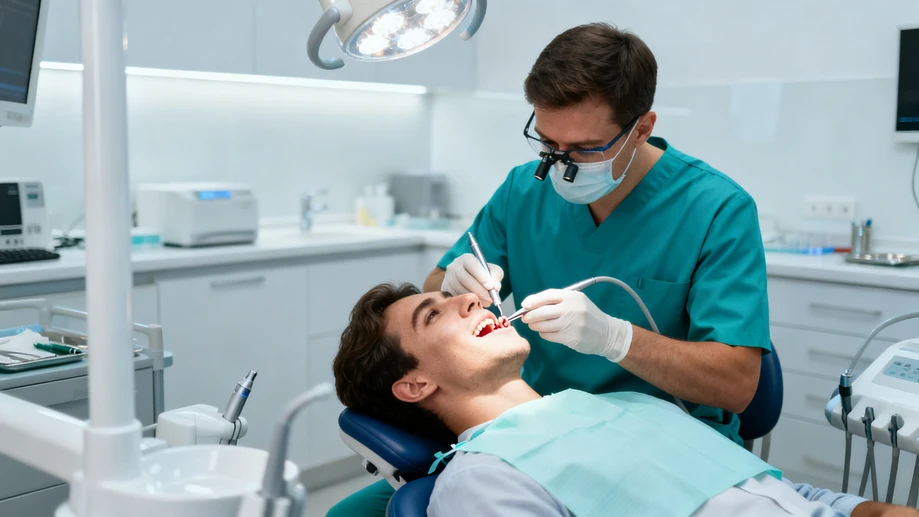
When it comes to extraction, the process is a blend of precision and modern-day wizardry. Under local or general anesthesia, a skilled surgeon makes a small incision in the gum, removes any bone obstructing the tooth, and gently extracts it—often in under 30 minutes. It might sound daunting, but advancements like 3D imaging and minimally invasive tools ensure it's smoother than ever. For instance, some clinics use piezo-surgery devices that vibrate to cut bone without damaging soft tissue, making recovery faster. Post-surgery, patients are usually sent home with gauze to bite on and instructions for rest. The whole experience is surprisingly routine, with many people joking that it's a rite of passage into adulthood. Plus, there's a silver lining: you get to indulge in soft treats like pudding or mashed potatoes while healing—just avoid straws to dodge the dreaded dry socket!
Recovery is where the real adventure begins, and it's all about smart self-care. For the first few days, expect some swelling and mild discomfort, easily tamed with ice packs and over-the-counter pain relievers. Stick to soft foods—think soups, yogurt, or smoothies—and avoid vigorous activities to prevent complications. By day three, most people feel significantly better, and within a week, they're back to normal life. A pro tip: rinse gently with salt water to keep the area clean and promote healing. It's a small price to pay for long-term relief, and many find humor in the temporary "chipmunk cheeks" phase. Remember, patience is key; rushing recovery can lead to setbacks, but with a little TLC, you'll be flashing that pain-free smile in no time. This phase highlights how our bodies bounce back, turning a minor surgical event into a testament to resilience.
In the end, wisdom teeth aren't inherently wise—they're more like a biological lottery where losing means a trip to the dentist. But by understanding their quirks and acting proactively, you can avoid unnecessary agony. Regular dental visits are your best defense, catching problems early before they spiral. So, next time you feel that familiar ache, don't panic; see it as a nudge to prioritize your oral health. After all, in the grand scheme of things, a quick extraction beats a lifetime of dental dramas. Embrace the journey with a smile—it's a small step toward a healthier, happier you.