
Is Your Wisdom Tooth Secretly Sabotaging Your Smile?
The surprising saga of third molars and why extraction isn't always medieval torture
Picture this: you're cruising through your twenties when suddenly, a dull ache creeps up your jawline. Congratulations! Your wisdom teeth are making their grand entrance – or perhaps attempting a hostile takeover. These late-blooming molars earned their "wise" moniker because they erupt between ages 17-25, coinciding with adulthood. Anthropologists believe our ancestors needed these extra grinders for chewing tough roots and raw meat. But modern jaws, refined by millennia of evolution and soft foods, often lack real estate for these dental squatters. Imagine trying to park an SUV in a compact car spot – that's essentially your wisdom tooth's real estate dilemma.
Why do these biological relics cause so much drama? Impacted wisdom teeth become ticking time bombs when trapped beneath gums or wedged sideways against neighboring molars. Dentists spot trouble through telltale signs: swollen gums resembling miniature volcanoes, mysterious bad breath even after brushing, or that peculiar sensation of chewing gravel. Left unchecked, they become bacterial playgrounds causing infections that can swell cheeks to chipmunk proportions. Orthodontists often blame them for crowded front teeth – those perfectly aligned braces in high school? Wisdom teeth might undo them like invisible dental anarchists. The most insidious threat? Cysts forming around impacted teeth that can hollow out jawbones like termites in wood.
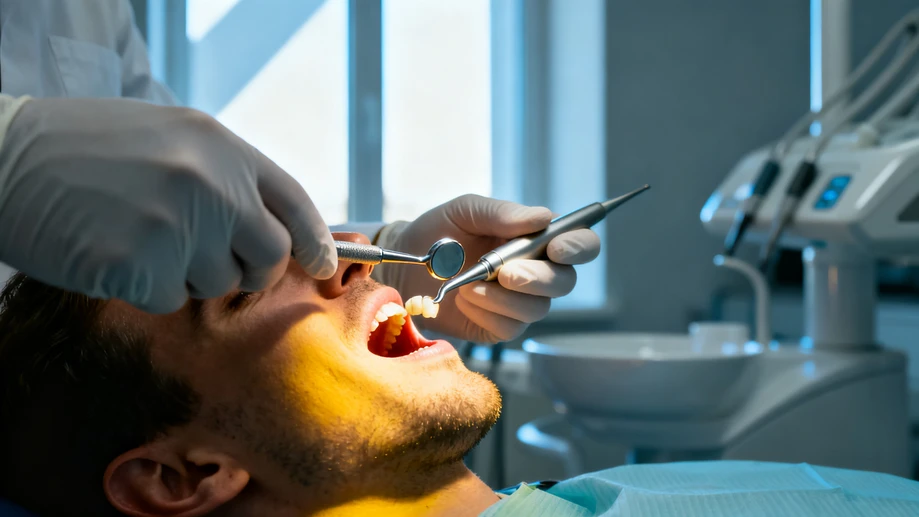
Not every wisdom tooth demands eviction. If yours emerge straight, fully visible, and cleanable, they can stay like well-behaved tenants. But when X-rays reveal teeth angled like Leaning Towers of Pisa or buried deeper than pirate treasure, extraction becomes inevitable. The procedure sounds scarier than it is – surgeons administer anesthesia that transforms your mouth into a numb, tingly wonderland. Using specialized tools resembling miniature crowbars and excavators, they gently rock the tooth loose before lifting it out. Complex cases might involve dividing the tooth into sections for easier removal. The entire operation often takes less time than brewing coffee, with most patients recalling only pressure sensations, not pain.
Post-op care resembles a spa day for your mouth. Biting on gauze pads for 30 minutes controls bleeding while ice packs prevent chipmunk cheeks. The real MVP? Saltwater rinses that flush away debris and accelerate healing. Avoid straws for 48 hours – suction can dislodge the blood clot protecting the socket, leading to dry socket agony. Soft foods like mashed potatoes and yogurt become gourmet delights during recovery. Surprisingly, many report relief within three days, with full healing in 2-3 weeks. Bonus: some patients discover newfound cheekbone definition after swollen tissues subside – nature's accidental facelift!
Modern dentistry transformed extractions from medieval ordeals to precision procedures. Digital 3D imaging maps tooth positions like GPS coordinates, while ultrasonic tools gently vibrate teeth loose without hammering. Sedation options range from laughing gas that induces giggly relaxation to IV drips that transport you to dreamland. Post-surgery, dissolvable stitches eliminate removal appointments, and platelet-rich fibrin (PRF) therapy uses your own blood to accelerate healing. Forget horror stories – today's patients often binge-watch Netflix with ice packs before resuming work next day.
Ultimately, wisdom teeth reveal evolution's dark humor – biological features outpaced by human development. Regular dental checkups catch problems early, with panoramic X-rays acting as crystal balls predicting trouble. While extraction sounds daunting, millions undergo it annually without drama. Remember: temporary discomfort outweighs years of potential infections or orthodontic chaos. Your wisdom teeth might be plotting against you, but modern dentistry holds the perfect counterattack.