
Did You Know Most Of Your Daily Teeth Care Habits Are Secretly Damaging Your Pearly Whites?
That casual tooth brushing mistake you make every single morning might be costing you a visit to the dentist before the end of the year, and these simple swaps can help you avoid unnecessary pain and huge treatment bills.
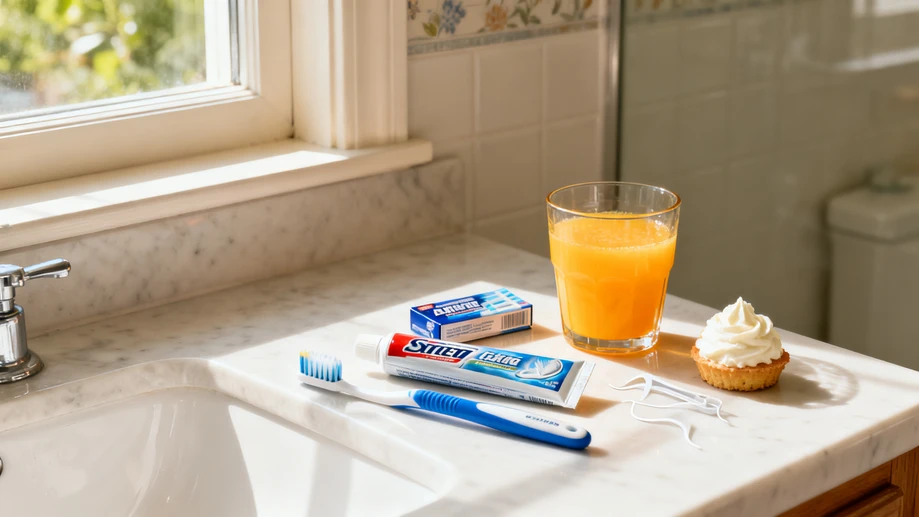
Most of us have memorized the basic tooth care rule of brushing twice a day since we were little kids, but very few people stop to think about the small sequence, timing and detail choices that turn a good routine into a hidden trouble for our enamel. For example, millions of people grab their glass of orange juice, iced lemon coffee or sweet yogurt the second they finish brushing their teeth in the morning, not realizing that the mild abrasive ingredients in toothpaste loosen the top protective layer of enamel temporarily for up to 30 minutes after you spit out the foam. The acidic food and drinks you take in right after that will eat away at the already soft enamel surface, leaving tiny unnoticeable scratches that build up over months, leading to dull stained teeth and unexpected sensitivity when you eat cold or hot food later on. Even the seemingly harmless habit of rinsing your mouth with a big gulp of water right after brushing washes away most of the fluoride that needs to stick to your tooth surface to build up protection, which cuts 70 percent of the toothpaste’s protective effect according to real dental clinical surveys from public community health centers.
A huge number of people still pick hard bristle toothbrushes off the supermarket shelf because they think firmer bristles can scrape off more food residue and make their teeth feel cleaner, but dentists around the world have repeatedly warned that this choice is one of the top causes of receding gums and hidden wedge shaped wear on the root of your teeth. Many people press the brush so hard against their teeth when they scrub back and forth horizontally that their gums bleed after each brushing, and they even convince themselves the bleeding is a sign they are “brushing hard enough to kill bacteria”. The truth is that your gum tissue is far more fragile than the hard enamel, and years of harsh brushing will slowly wear away the protective gum layer that covers the sensitive tooth root, leading to persistent pain and even loose teeth way before you turn 40. What is even more unexpected is that 80 percent of people in urban families stick their used wet toothbrush head face down into a closed tooth mug after brushing, leaving the warm humid space to grow hundreds of thousands of residual oral bacteria overnight that will get right back on your toothbrush the next time you start brushing, completely reversing all the cleaning work you did the night before.
You do not have to rush to a sink to brush your teeth immediately after finishing a meal, especially if you just had a plate of sour pickles, a glass of carbonated soda or a bowl of sweet and sour spare ribs. The high acid level in those foods softens your enamel for a short period of time, and brushing right away will rub away parts of the protective layer permanently before it gets a chance to re-harden naturally with the help of your saliva. The far better alternative is to drink a small cup of plain room temperature water to wash down the loose food bits left in your mouth, or chew a piece of sugar free xylitol gum for 5 to 10 minutes to boost saliva flow, which will neutralize the acid in your mouth and help re-mineralize the softened enamel surface in half an hour. For people who drink bubble tea, iced cola or fruit infused beverages on a daily basis, swapping the normal direct sip for a reusable straw that directs the liquid to the back of your mouth can reduce the long term pigment stain and acid erosion on your front teeth by more than 60 percent, no expensive whitening treatment required.
A lot of people treat dental floss as an optional extra tool that you only use when a big piece of meat gets stuck between your teeth, but the gaps between your teeth make up more than 30 percent of your total tooth surface, which the bristles of a normal toothbrush can never reach no matter how carefully you brush. The tiny food residues left in those gaps will break down and produce corrosive acid for 24 hours a day, slowly creating hidden cavities between two teeth that you will not notice until the decay has reached your nerve and you get that sharp sudden toothache in the middle of the night. It only takes 90 seconds to floss all your teeth before you brush at night, and that tiny investment of time can save you hundreds of dollars on filling treatment and root canal surgery that would cost you 10 times more later on. You also need to stop the habit of eating starchy sticky snacks like sweet potato chips, glutinous rice cakes or creamy custard desserts after you finish your night brushing, as the sticky bits that cling to your tooth surface will sit there undisturbed for 7 to 8 whole hours while you sleep, letting oral bacteria multiply rapidly and produce constant acid that damages your enamel without you even feeling a thing.