
Have You Been Ruining Your Teeth For Years Without Even Noticing It
This fun, no-nonsense guide breaks down the most overlooked daily dental habits that quietly damage your smile, with zero fancy jargon or overpriced product recommendations.
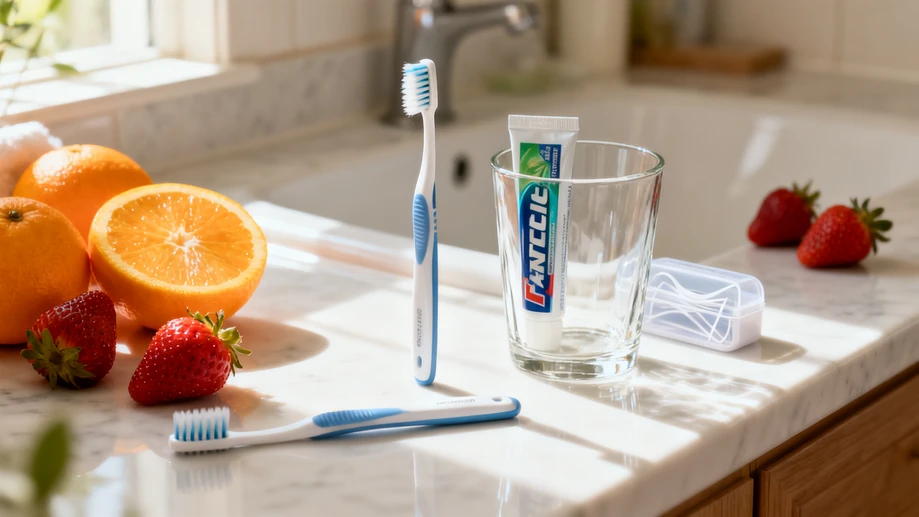
Most of us walk through our days patting ourselves on the back for hitting the basic two-times-a-day brushing mark, convinced we are doing everything right to keep our teeth strong and white. What almost no one warns you about is the dozen tiny, completely normal-seeming daily choices you make that chip away at your enamel, irritate your gums, and set you up for unexpected cavities and sensitive teeth down the line. Think chugging a glass of orange juice right after you finish your morning brush sounds harmless? The acidic juice instantly neutralizes the fluoride you just coated your teeth with, wiping out most of the protective benefit your two minutes of scrubbing just gave you, and the combination of citrus acid and abrasive toothpaste even wears away the top layer of enamel little by little over months of repeated use. You would never intentionally scratch your teeth with a rough stone, but most people accidentally do the equivalent every single week without a second thought.
Plenty of the habits we have been told are “healthy” for our teeth actually end up causing more harm than good when taken too far. The sugar-free gum trend that blew up a few years back had millions of people popping three or four pieces a day and chewing them for hours at a time, and while small doses of sugar-free gum after a meal do boost saliva flow to wash away food bits, nonstop chewing for more than 15 minutes at a time puts unnecessary strain on your jaw joint, overworks your masseter muscles to create a bulky square jawline you might not want, and even wears down the flat biting surfaces of your back teeth prematurely. Many people also grab the hardest bristle toothbrush they can find because they think it leaves their mouth feeling extra “squeaky clean”, but those stiff bristles do almost nothing to remove extra plaque, and instead dig into your gum line to pull gums away from your teeth, exposing the sensitive root surfaces that were never meant to be exposed to open air, cold drinks, or sharp food edges.
The good news is that you do not need to drop hundreds of dollars on high-end electric toothbrushes, custom whitening kits, or fancy prescription toothpastes to protect your oral health, as long as you adjust a few tiny daily steps to match what your teeth actually need. The most underrated simple tip almost no one shares is waiting at least 30 minutes after you finish eating a meal or snack before you pick up your toothbrush. Any food that is even slightly acidic, from tomato sauce to pickles to sour candy, softens the hard outer enamel of your teeth for a short window after you eat, and brushing immediately scrapes away tiny bits of that softened protective layer that can never grow back. Learning the right way to floss also eliminates 90 percent of random gum bleeding that makes people panic they have severe gum disease: instead of shoving the thin floss string hard down between your two teeth until it cuts into your tender gum tissue, glide it gently along the curved edge of each tooth in a slow up and down motion, and you will notice that bleeding stops completely after three or four days of proper gentle use.
Even the most consistent brushers mess up their oral care routine with tiny lazy choices they make right before bed, which happens to be the most critical 30 minutes of the whole day for your dental health. Your saliva production slows down dramatically when you fall asleep, which means your mouth loses its natural ability to wash away stray food bits and neutralize acid on its own, so any small snack you sneak in right after you finish your nightly brushing session gives hundreds of oral bacteria eight full hours to feast on sugar and produce acid that eats tiny holes into your enamel. A lot of busy adults also fall for the lazy myth that a quick swish of alcohol-based mouthwash can replace a full brushing session on nights when they are too tired to get out of bed, but mouthwash only kills the loose bacteria floating around the surface of your mouth, and cannot break through the sticky, layered plaque that hides deep between your teeth and along the gum line, so skipping brushing even once every few weeks can lead to hidden cavities you do not notice until they are painful enough to need a root canal.
At the end of the day, good dental care is not some complicated, expensive chore that only people with extra free time can master, it is just a matter of being mindful of a handful of small choices that fit right into your existing daily routine. You do not have to cut all your favorite acidic snacks out of your diet entirely, you just have to drink a sip of plain water after eating them to rinse the acid off your teeth before it can do lasting damage. Once you get these tiny adjusted habits down, you will never have to deal with the surprise pain of a sensitive tooth when you take a bite of ice cream, and you will get to keep your full set of strong natural teeth well into your 70s and 80s, so you never have to miss out on biting into a crisp fresh apple or a chewy homemade caramel on a holiday with your family.