
Are Your Daily Habits Secretly Sabotaging Your Smile?
Unmasking the invisible enemies hiding in your routine
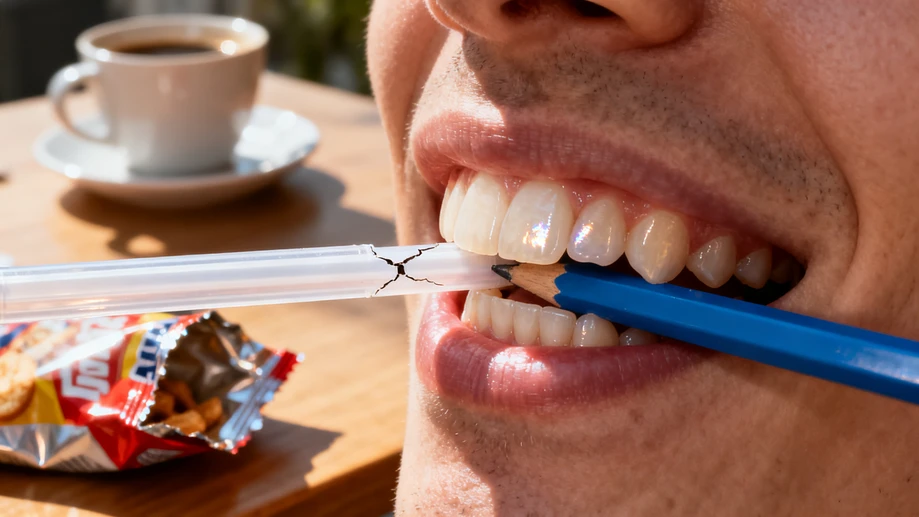
That innocent morning coffee ritual? That nervous pen-chewing during Zoom calls? They might be stealth agents in a silent war against your teeth. While we obsess over brushing techniques and whitening strips, everyday behaviors we consider harmless are quietly eroding enamel, shifting teeth, and inviting cavities to dinner. The real dental villains often wear disguises: your favorite citrus smoothie playing the hero of health, your go-to stress reliever masquerading as harmless fidgeting. These aren't dramatic attacks but slow, insidious campaigns that leave your teeth defenseless. By the time you notice sensitivity or discoloration, the damage may already require a dental intervention far costlier than prevention.
Consider the common culprits first. Using teeth as tools – tearing open packaging, cracking nuts, or holding bobby pins – subjects them to unnatural forces, causing microfractures or chipping edges over time. Habitual nail-biting or chewing ice cubes creates similar stress fractures, much like repeatedly bending a paperclip until it snaps. Then there's the acidic ambush: sipping lemon water throughout the day or swishing sports drinks bathes teeth in acid, dissolving protective enamel faster than saliva can repair it. Even "healthy" habits backfire; aggressive brushing with hard-bristled toothbrushes scrubs away gum tissue, exposing vulnerable roots. Bruxism, or nighttime teeth grinding, exerts up to 250 pounds of force – equivalent to cracking walnuts – wearing down biting surfaces relentlessly.
The biological fallout is alarmingly predictable. Enamel erosion from acids thins the tooth's armor, leading to translucent edges, extreme temperature sensitivity, and yellowing as the darker dentin layer shows through. Chipped teeth from mechanical stress create hiding spots for bacteria, accelerating decay. Forceful grinding flattens molars, shortening teeth and straining jaw joints, causing chronic headaches. Misaligned bites from tongue thrusting or cheek chewing alter facial muscle function, sometimes triggering TMJ disorders. Crucially, receding gums from abrasive cleaning create pockets where plaque colonies thrive, inviting gum disease that research links to heart conditions and diabetes complications. The mouth-body connection turns dental neglect into systemic risk.
Breaking these cycles requires strategy, not just willpower. Swap acidic drinks for plain water using a straw to bypass teeth; rinse with water after coffee but wait 30 minutes before brushing to avoid scrubbing softened enamel. Replace destructive fidgeting with stress balls or sugar-free gum to stimulate protective saliva flow. Invest in a night guard if you grind – custom-fitted ones distribute pressure evenly. Most importantly, retrain your hands: keep scissors handy for packages and nutcrackers in the kitchen. Modern solutions include silicone chew necklaces for anxious nibblers and apps that alert clenchers to relax their jaws. Remember, saliva is your natural ally; staying hydrated boosts its cavity-fighting minerals.
Victory lies in awareness and tiny adjustments. Track habits for a week – note when you bite pens or sip soda – then target one behavior monthly. Celebrate small wins: successfully using scissors for a month rebuilds neural pathways. Regular dental checkups catch early erosion with tools like plaque-disclosing tablets that reveal problem zones in neon pink. Your teeth endure daily chemical baths and mechanical assaults; protecting them isn't about perfection but consistent, mindful defense. Start today: hold your next citrus drink away from teeth, stash pliers in your desk drawer, and let your smile outlive those sneaky saboteurs.