
Have You Been Brushing Your Teeth All Wrong For Decades Without Noticing?
This lighthearted daily oral care science popularization breaks down the most commonly ignored wrong habits hidden in your morning and night routines, and brings you easy to follow tips that cost zero extra effort.
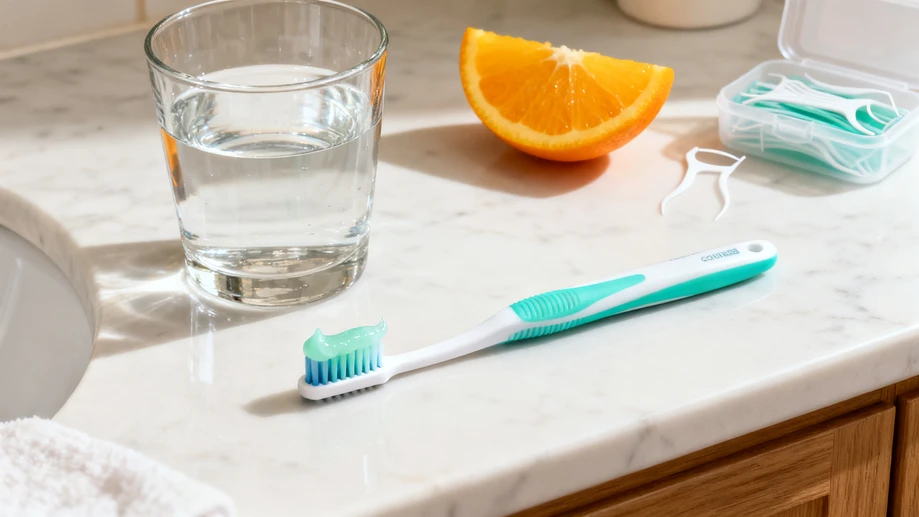
Most of us can replicate our weekday morning tooth brushing routine with our eyes half closed: stumble to the bathroom, squeeze a thick strip of mint flavored toothpaste on a brand new or three-month-old toothbrush, rub every surface of our teeth in big frantic circles for 60 seconds at most, spit once, and then rush out the door to grab a sugary iced coffee or a glass of orange juice for breakfast. We finish the whole process with a proud feeling that we have checked the most important health task off our daily to do list, never realizing that half the steps we took just now have erased 80 percent of the protective effect we wanted from brushing. That sour weird taste you get when you sip orange juice right after brushing? It is not just the clash between orange acid and mint flavor, it is the reaction between leftover toothpaste ingredients and acidic fruit that eats away at the thin layer of fluoride that should be sticking to your tooth enamel to shield it from erosion.
The first most widespread mistake almost no one knows about is the habit of rinsing your mouth with big gulps of water right after you finish brushing. Most of us grew up being told that we should get every bit of foamy toothpaste out of our mouth after cleaning, but that habit is basically throwing away the protective benefit of fluoride added to almost all regular toothpaste. The fluoride needs at least 30 minutes to attach to the tiny pores on the surface of your tooth enamel to form a firm protective film that fights acid and resists cavity formation. If you rinse your mouth repeatedly with water immediately after brushing, you wash all the unabsorbed fluoride away before it can do its job, leaving your teeth almost as unprotected as they were before you picked up the toothbrush. The correct move here is surprisingly simple: after you finish brushing, just spit out all the excess foam, do not put any water in your mouth for at least 15 minutes, and avoid drinking any sugary or acidic drinks in that window of time.
Another super common misconception that trips up even people who think they know everything about oral care is that you should brush your teeth immediately after eating any meal. If you just ate a slice of pizza, a bowl of fruit salad, or a cup of iced lemon tea, the acidic content in the food and drinks will temporarily soften the outer layer of your tooth enamel. If you scrub your teeth hard the second you finish eating, the bristles will scrape away the already softened enamel particles little by little, and over months and years, you will end up with thin, sensitive teeth that ache when you take a sip of cold water. The far better choice is to rinse your mouth with plain warm water right after eating to wash away all the leftover food particles and acidic residue, and wait at least 30 minutes for your enamel to reharden before you start your regular brushing routine. A lot of people also skip flossing entirely because they are worried that flossing will create big gaps between their teeth, but the gaps you see after the first few times of flossing are not new space created by the floss, they are the empty space that used to be packed tight with months of leftover food plaque that you never managed to brush out.
There are tons of tiny seemingly unimportant habits that quietly damage your oral health without you noticing. A lot of people keep the same toothbrush for more than four months, long after the soft nylon bristles start to bend and splay outwards, not realizing that splayed bristles can never reach the tiny gaps between your teeth properly, and will scratch your sensitive gum line constantly leading to receding gums and bleeding. Many people who chase white teeth also keep using whitening strips far longer than the recommended time listed on the package, hoping to get a brighter shade in a shorter window, only to end up with extreme tooth sensitivity that makes every hot or cold meal a painful experience. A lot of people also pick alcohol based mouthwash because it gives them an extra strong fresh breath feeling, but the alcohol content dries out the natural saliva layer in your mouth, and saliva is the most powerful natural bacteria fighter your body produces to keep your oral environment balanced.
Taking good care of your teeth does not require you to spend hundreds of dollars on fancy high end electric toothbrushes or expensive professional whitening treatments at the dental clinic. All you need to do is tweak a few tiny details in your existing daily routine, and you will be able to cut your chance of getting cavities, gum bleeding and sensitive teeth by more than 70 percent without any extra time or extra cost. The small effort you put in every day to protect your teeth will save you from the painful, expensive root canal treatments and tooth extraction procedures that no one wants to experience, and let you keep your natural comfortable set of teeth for decades of happy eating all the food you love.