
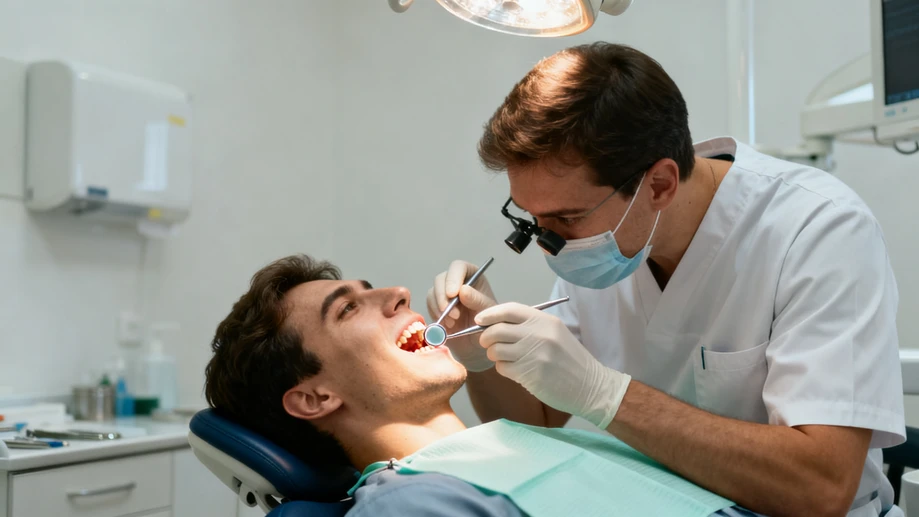
Why Are Wisdom Teeth Such Sneaky Troublemakers?
Discover the hilarious and jaw-dropping truths behind your third molars and how to outsmart them.
Picture this: you're enjoying a peaceful day when suddenly, a dull ache starts throbbing in the back of your mouth. No, it's not a sign of wisdom—it's your wisdom teeth staging a rebellion! These third molars, which typically erupt between ages 17 and 25, earned their name because they appear when we're supposedly wiser. But let's be honest, they're more like uninvited guests at a party, causing chaos instead of enlightenment. Evolutionarily, they were handy for our ancestors who chewed tough, raw foods, but in today's world of soft diets and smaller jaws, they often become dental disasters. About 35% of people have impacted wisdom teeth, meaning they're stuck under the gums or growing sideways, leading to infections, crowding, and even cysts. The irony? They're called "wisdom" teeth, yet they can make you feel anything but wise when they strike. So, next time you feel that familiar twinge, remember: it's not your brain growing—it's your mouth declaring war!
When wisdom teeth go rogue, the drama unfolds like a bad sitcom. Impacted teeth can push against neighboring molars, creating pressure that feels like a tiny jackhammer in your jaw. This often leads to pericoronitis, a fancy term for inflammation where bacteria party under the gum flap, causing swelling, pain, and bad breath that could clear a room. Worse, if left unchecked, it can escalate into abscesses or damage to adjacent teeth. But here's the kicker: not all wisdom teeth cause trouble. Some people sail through life with them intact, while others face a symphony of symptoms like headaches, earaches, or even difficulty opening their mouth. Dentists use X-rays to spot these saboteurs early, revealing crooked growths or cysts that could erode bone. The key is timing—addressing them before they wreak havoc can save you from a world of hurt. Think of it as defusing a ticking time bomb in your mouth; procrastination only makes the explosion messier.
Now, onto the main event: wisdom tooth extraction. It sounds scary, but modern dentistry has turned it into a surprisingly smooth affair. The procedure starts with local anesthesia or sedation, so you're blissfully unaware as the oral surgeon makes a small incision in the gum to access the tooth. If it's impacted, they might remove bone or section the tooth into pieces for easier removal—all while you're daydreaming about ice cream. Recovery is where the fun begins: expect a day or two of swelling and discomfort, managed with ice packs and painkillers. But the real hero? Soft foods like pudding and mashed potatoes, which become your best friends. Avoid straws or vigorous rinsing to prevent dry socket, a painful condition where the blood clot dislodges. Most people bounce back in a week, with stories to tell about their "wisdom war." It's a minor surgery with major perks, like preventing future dental dramas and scoring sympathy points from friends.
Post-extraction care is your secret weapon for a speedy comeback. Start with rest—no heavy lifting or intense workouts for a few days, as they can increase bleeding. Stick to a liquid or soft diet initially, graduating to solids as your mouth heals. Saltwater rinses after 24 hours help keep the area clean, reducing infection risks. But the golden rule? Patience. Bruising and stiffness are normal, and while you might look like a chipmunk, it fades fast. Long-term, maintaining good oral hygiene with regular brushing and flossing prevents complications. And here's a pro tip: many patients report unexpected benefits, like improved bite alignment or relief from chronic pain. It's like hitting the reset button on your oral health, turning a dreaded ordeal into a victory lap.
Beyond the pain and procedures, wisdom teeth hold quirky tales from history and pop culture. In ancient times, some cultures viewed them as symbols of maturity, with rituals involving their removal. Fast forward to today, celebrities often share their extraction sagas on social media, turning swollen faces into viral memes. Scientifically, studies show that early removal in teens reduces complications, but myths persist—like the idea that pulling them affects intelligence (spoiler: it doesn't). Ultimately, these teeth remind us of evolution's quirks: they're vestigial relics in a world that no longer needs them. So, if yours are acting up, don't panic. With today's tech and a skilled dentist, you'll be back to smiling in no time, wiser for the experience.