
Horror in Your Jaw! The Shocking Secrets of Wisdom Teeth Revealed!
From Ancient Survival Tools to Modern Pain Producers: Your Complete Guide to Understanding and Surviving Wisdom Teeth
Picture this: you're cruising through life, enjoying your crunchy snacks and dazzling smiles, blissfully unaware of a ticking time bomb nestled deep within your jawbone. Then, it happens. A dull ache, a strange tightness at the back of your mouth, maybe a swollen gum that feels like a tiny, angry volcano. Congratulations – your wisdom teeth are making their grand, often unwelcome, entrance! These late-blooming molars, technically called your third molars, were once crucial evolutionary upgrades for our ancestors. They munched on tough roots, raw meat, and coarse grains, wearing down their teeth like sandpaper. An extra set of powerful grinders in the late teens or early twenties? Brilliant survival design! But fast forward to today, with our soft diets and smaller jaws (thanks, evolution, or rather, no thanks!), these teeth often arrive uninvited to a party where there’s simply no room left on the dance floor. What was once an asset is now a recipe for potential dental disaster.
So, why the pain? Why the fuss? It boils down to real estate. Human jaws have generally gotten smaller over millennia, but our genetic blueprint for teeth hasn’t quite caught up. When wisdom teeth try to erupt (break through the gums), they frequently find themselves blocked – by other teeth, by bone, or simply because they’re growing at weird angles. This awkward position is called "impaction." Impacted wisdom teeth are like grumpy neighbours crammed into a tiny apartment; they cause problems. They can push against other molars, causing crowding, pain, and even damaging the roots of your precious second molars. Partially erupted teeth are especially troublesome, creating a perfect trapdoor for bacteria. A flap of gum tissue often covers part of the tooth, forming a cozy, hidden pocket where food debris and germs throw a non-stop party. This leads to infection and inflammation, known as "pericoronitis," turning your jaw corner into a throbbing, swollen nightmare, complete with bad breath and difficulty opening your mouth. It’s your body's very loud alarm system saying, "Houston, we have a problem!"
Ignoring these latecomers isn't just about enduring occasional pain. The risks are real and potentially serious. Beyond the immediate agony of infection, impacted wisdom teeth can silently wreak havoc. Cysts or tumors can form around the impacted tooth within the jawbone, destroying bone and neighboring teeth. Chronic gum disease can creep in, jeopardizing the health of adjacent teeth. They create hard-to-clean zones where cavities form stealthily. Even if they seem quiet now, leaving problematic wisdom teeth in place is often like letting a grenade pin stay loose – eventually, something is likely to go boom. Dentists aren’t just being alarmist when they recommend extraction; they’re seeing the ticking clock and the potential damage these teeth can inflict on the rest of your meticulously maintained smile and jaw health.
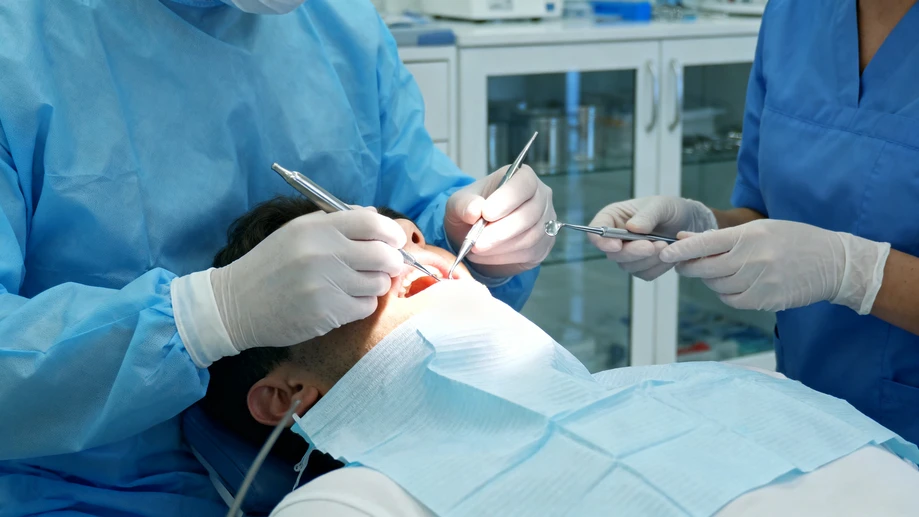
If your dentist waves the red (or rather, the X-ray) flag and recommends removal, fear not! Modern oral surgery has transformed wisdom tooth extraction from a medieval-sounding ordeal into a highly predictable and routine procedure, often performed by skilled oral surgeons. The process typically involves careful planning with X-rays or 3D scans to map the teeth's position relative to nerves and sinuses. On the big day, local anesthesia numbs the area thoroughly – you'll be awake but blissfully unaware of the actual mechanics. Many patients opt for sedation (IV or oral) for ultimate relaxation. The surgeon gently accesses the tooth, often sectioning it into smaller pieces if it's impacted or buried, then carefully removes it. Sutures close the site. While it sounds involved, skilled surgeons perform these procedures efficiently, minimizing trauma. The key? Choosing an experienced professional and following pre- and post-op instructions religiously. Your dentists might seem like a modern-day superhero on extraction day, but their superpower is really precision and expertise honed by countless procedures.
Recovery is where you become the active participant. Think of it as mandatory downtime with strategic snacks. Immediately post-surgery, expect gauze biting, gentle ice application to reduce swelling, and strict adherence to taking prescribed medications (painkillers and possibly antibiotics). Your diet for the first few days is a soft-food paradise: mashed potatoes, yogurt, smoothies (no straws!), lukewarm soups. Forget popcorn, chips, or anything requiring vigorous chewing – you’ll miss them, but rebellion can dislodge the blood clot protecting the socket (a painful condition called "dry socket"). Gentle saltwater rinses (after 24 hours) keep the surgical sites clean. Rest is paramount; skip the gym and intense debates. Swelling peaks around day 2-3, then gradually subsides. Stitches often dissolve within a week. While discomfort varies, it’s typically well-managed. Most people feel significantly better within a week, returning gradually to normal activities. Think of it as a short, necessary retreat for the greater good of your oral kingdom.
So, while their arrival might feel like a betrayal by your own biology, understanding wisdom teeth demystifies the process. They’re not inherently evil, just evolutionary leftovers struggling to fit into a world that changed faster than our genes. Recognizing the signs of trouble (persistent pain, swelling, difficulty opening your mouth, bad taste) and consulting a dentist promptly is crucial. Modern dentistry offers safe and effective solutions. With careful planning, skilled execution, and diligent aftercare, the removal of problematic wisdom teeth is overwhelmingly successful. Patients emerge relieved, free from pain and the looming threat of future complications. It’s a fascinating intersection of our ancient past meeting modern medical science – a journey from potential jaw "horror" to lasting comfort and health. And hey, getting rid of them might even make your future selfies a little less puffy!