
Are You Secretly Murdering Your Teeth Every Day?
Unmasking the innocent-looking habits that sabotage your smile
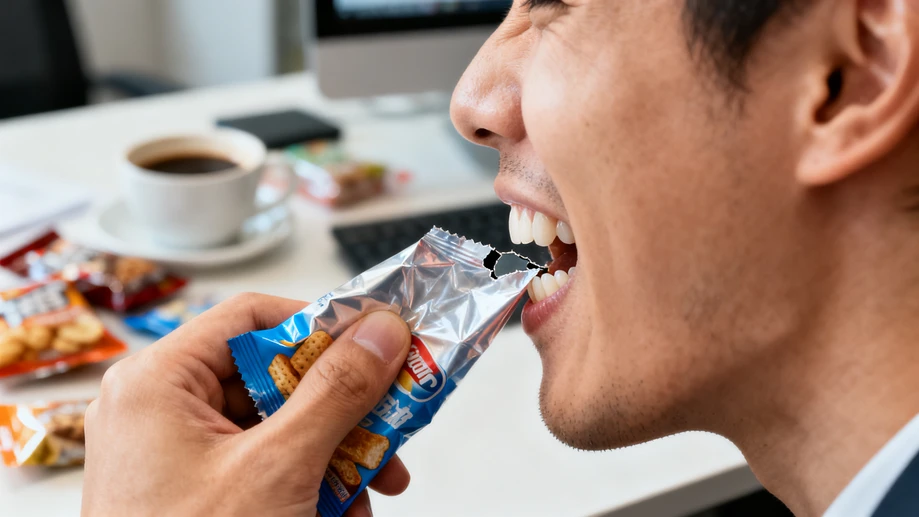
Picture this: you're crunching ice cubes after dinner, using your teeth to rip open a stubborn snack package, or sipping coffee all morning. These seem like harmless daily routines, right? Wrong. Your teeth are silently screaming for mercy. While we obsess over brushing and flossing, countless sneaky habits are chipping away at our enamel like tiny jackhammers. Dentists report that up to 30% of tooth damage comes not from neglect, but from these "innocent" behaviors we perform on autopilot. The scary truth? You might be causing irreversible damage while barely noticing.
Consider the stealthy offenders hiding in plain sight. Nail-biting isn't just a bad look—it transfers bacteria from fingers to mouth while cracking teeth like walnuts. Using teeth as tools (bottle openers, scissor substitutes, package shredders) creates microfractures that invite decay. Constant snacking, especially on carbs or acidic foods, bathes teeth in cavity-causing acid baths without recovery time. Even "healthy" habits backfire: chewing ice cubes causes thermal stress cracks, while swimming in chlorinated pools erodes enamel faster than soda. The worst offender? Mindless sipping. That all-day coffee or lemon water creates perpetual acid exposure, dissolving protective enamel like sugar in hot tea.
Here's what's happening beneath the surface. Enamel—the hardest substance in your body—doesn't regenerate. Acid attacks from prolonged sipping demineralize its structure, causing permanent erosion. Grinding or clenching (often during stress or sleep) exerts 250+ pounds of pressure—ten times normal chewing force—flattening teeth like pavement under a steamroller. Jaw issues emerge too; habits like resting chin on hand or chewing one-sidedly strain TMJ joints, leading to chronic pain and headaches. Left unchecked, these behaviors create domino effects: tiny chips become fracture lines, enamel loss exposes sensitive dentin, and uneven wear alters your bite until chewing feels like solving a jigsaw puzzle with mismatched pieces.
Breaking these habits requires ninja-level awareness. Start by identifying triggers: keep a "tooth crime diary" noting when you bite nails (stress?) or crunch ice (boredom?). Swap destructive actions—chew sugar-free gum instead of pencils, use actual scissors for packages. For sippers, limit acidic drinks to meal times and chase with water to neutralize pH. Nighttime grinders need custom mouthguards; daytime clenchers can practice "lips together, teeth apart" posture. Protect enamel with remineralizing toothpaste containing hydroxyapatite and avoid brushing immediately after acidic foods—wait 30 minutes while saliva naturally repairs damage. Surprisingly, cheese helps too; its calcium and phosphates act like microscopic enamel band-aids.
Your teeth aren't indestructible tools but precision instruments designed to last a lifetime. Treat them like priceless porcelain, not multitasking Swiss Army knives. Every time you resist using teeth as bottle openers or mindlessly snack, you're preserving your smile's structural integrity. Remember: enamel lost is gone forever, but changed habits rebuild dental destiny. Start today—your future self will flash a grateful, cavity-free grin.