
Is Your Toothbrush Betraying Your Smile?
The sneaky science of cavities and how to outsmart them
Picture this: a microscopic army feasting on your breakfast toast, throwing acid parties on your pearly whites while you obliviously sip coffee. This isn't sci-fi horror – it's the daily reality inside every human mouth where tooth decay begins. Cavities, those uninvited guests in your enamel, develop through an insidious collaboration between bacteria and sugar. Streptococcus mutans, the ringleader of this dental demolition crew, transforms leftover sugars into corrosive acids that literally dissolve your teeth. The real kicker? This silent erosion happens painlessly until it's too late, making cavities the ultimate stealth operatives in oral health sabotage.
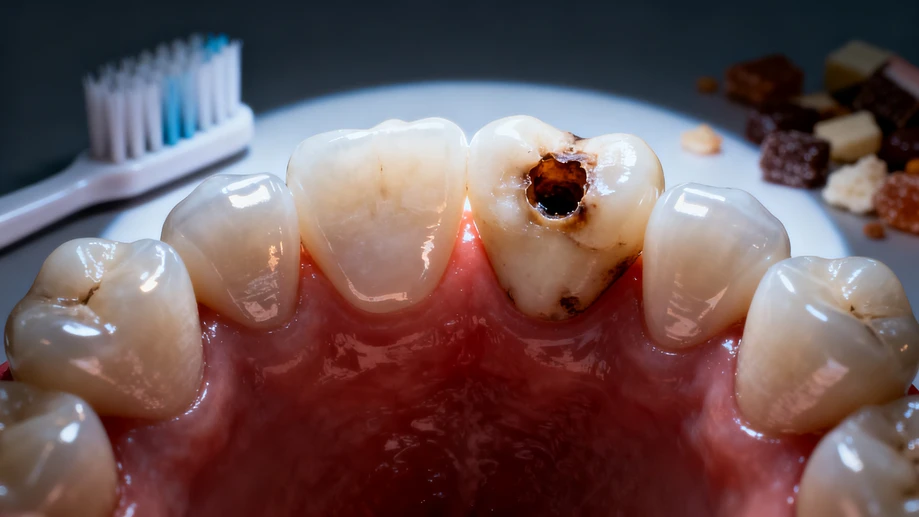
Your teeth are fortresses with a secret vulnerability – enamel may be the hardest substance in your body, but it's no match for sustained acid attacks. Imagine raindrops slowly carving through stone; similarly, each acidic assault creates microscopic tunnels in your enamel. When these breaches reach the softer dentin layer beneath, trouble escalates dramatically. Suddenly, that ice cream cone triggers lightning-bolt pain as nerve endings get exposed. The plot thickens when bacteria invade these newly formed caves (literally "cavities"), multiplying into thriving colonies that accelerate decay. Left unchecked, this can escalate to abscesses with swelling visible from space – or at least visible to your horrified coworkers.
Contrary to popular belief, sugar itself doesn't rot teeth – it's what happens after the snack that matters. The clock starts ticking the moment carbohydrates hit your tongue. Within 20 minutes, bacteria have metabolized sugars into enamel-dissolving acid. This explains why grazing on candy throughout the day is far more destructive than eating a whole chocolate bar in one sitting. The real villains? Sticky foods like dried fruit or chewy candies that cling to dental nooks like edible barnacles. Even "healthy" offenders play roles: citrus fruits bathe teeth in acid, while starchy crackers turn into sugary paste during chewing. It's a nutritional betrayal worthy of a Shakespearean drama.
Outsmarting cavities requires clever counterintelligence tactics beyond just brushing. First, disrupt the acid attacks with strategic timing: wait 30 minutes after eating before brushing to avoid scrubbing softened enamel. Second, deploy nature's cavity-fighting agents – cheese increases saliva's remineralizing powers, while green tea contains enamel-strengthening compounds. Third, master the art of "tooth-friendly snacking": pair wine with cheese to neutralize acidity, follow raisins with milk to wash away sugars, and always finish meals with crunchy vegetables that act like nature's toothbrushes. Your secret weapon? Sugarless gum with xylitol that starves bacteria while boosting protective saliva flow.
The dental revolution begins with reimagining your toothbrush routine. Electric toothbrushes aren't just fancy gadgets – studies show they remove 21% more plaque than manual brushing, especially along the vulnerable gumline where decay often starts. But technique trumps technology: hold your brush at a 45-degree angle and use gentle circular motions, as aggressive scrubbing can actually wear down enamel. Don't neglect the ninja move of oral hygiene – flossing reaches where brushes can't, disrupting bacterial hideouts between teeth. For ultimate defense, consider fluoride treatments that act like armor-plating for enamel and antimicrobial mouthwashes that reduce cavity-causing bacteria by 75%. Schedule check-ups not when pain strikes, but every six months – catching cavities early transforms treatment from drilling dramas into quick, painless fixes.