
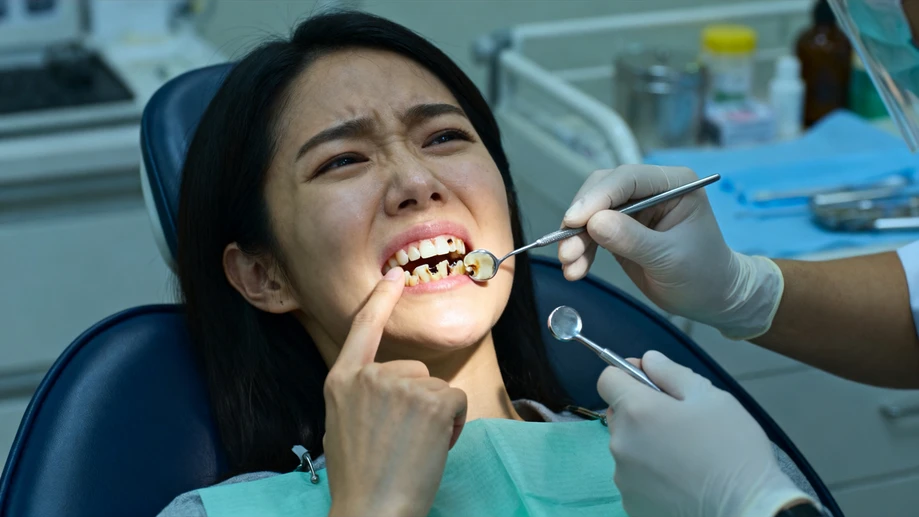
Are You Secretly Wrecking Your Teeth with These Common Habits?
Uncover the Hidden Dangers Lurking in Your Everyday Routine That Could Cost You Your Smile
Picture this: you're relaxing after a long day, mindlessly chewing on a pen cap or biting your nails to relieve stress. It feels harmless, right? But what if I told you that these tiny, everyday actions are silently sabotaging your dental health? Teeth aren't just tools for chewing; they're delicate structures that can crack, erode, or decay under pressure. In fact, studies show that over 70% of adults engage in at least one habit that damages their teeth without realizing it. This isn't about rare accidents—it's about the sneaky routines we all do, from crunching ice cubes to using our pearly whites as bottle openers. Ignore them, and you might face a future of painful dentist visits and costly repairs. So, let's dive into the fascinating world of dental dangers hiding in plain sight, and why your smile deserves better protection.
First, let's spotlight the most common culprits that seem innocent but pack a punch. Biting your nails tops the list—it's a stress-buster for many, but each nibble applies uneven force that can chip teeth or strain jaw joints. Then there's chewing on hard objects like ice, pens, or popcorn kernels; it might feel satisfying, but it's like hammering away at enamel, the tooth's protective shield. Another sneaky habit? Using your teeth as tools to open packages, tear tags, or even crack nuts. It's convenient, sure, but it turns your mouth into a makeshift workshop, risking fractures. And don't forget aggressive brushing—scrubbing too hard with a stiff-bristled toothbrush might seem thorough, but it wears down enamel and irritates gums. Even sipping sugary drinks throughout the day coats teeth in acid, inviting decay. These habits are so ingrained in daily life that we often overlook them, but they're the silent saboteurs of a healthy smile.
Now, the real shocker: the hidden harms that turn minor habits into major disasters. Take nail-biting—it doesn't just ruin manicures; it can lead to micro-fractures in teeth, making them vulnerable to cavities and sensitivity. Chewing ice or hard candies? That's a recipe for cracked teeth, which might require root canals or crowns costing hundreds of dollars. Using teeth as tools often results in chips or breaks, exposing the inner pulp to infection and pain. Aggressive brushing, meanwhile, erodes enamel over time, leading to receding gums and increased sensitivity—imagine wincing at hot coffee or cold ice cream. And constant snacking on sugary treats fuels bacteria that produce acid, eating away at enamel and causing cavities. Long-term, these habits can escalate to gum disease, where inflamed tissues pull away from teeth, risking tooth loss. Research links poor oral habits to broader health issues, like heart disease, making it clear: your daily routines are more than just bad manners—they're ticking time bombs for your mouth.
But why do we keep doing these things? Often, it's stress or boredom driving habits like nail-biting or pen-chewing, creating a vicious cycle. The brain associates these actions with relief, but the payoff is temporary, while the damage accumulates. For instance, a friend of mine ignored her ice-chewing habit for years, only to end up with a split tooth during a routine meal—ouch! The repair bill? Over $1,000. Stories like hers highlight how easy it is to underestimate the risks. Plus, modern life amplifies these dangers: busy schedules lead to rushed brushing or sugary grab-and-go snacks, accelerating decay. The good news? Awareness is the first step. By recognizing these patterns, you can break free before minor annoyances become major ordeals.
So, how do you fight back and save your smile? Start with simple swaps: replace nail-biting with a stress ball or fidget toy, and choose soft-bristled toothbrushes for gentle, circular motions—aim for two minutes, twice a day. Ditch the ice-chewing for chilled water or sugar-free gum, which stimulates saliva to neutralize acids. Always use proper tools like scissors for opening packages, not your teeth. Cut back on sugary drinks by sipping water instead, and limit snacks to mealtimes to reduce acid attacks. Regular dental check-ups every six months can catch issues early, turning potential disasters into quick fixes. Building these habits takes practice, but the payoff is huge: a brighter, healthier smile that boosts confidence and avoids pain. Remember, your teeth are lifelong companions—treat them kindly, and they'll return the favor.
In the end, protecting your teeth isn't about drastic changes; it's about tweaking daily routines to outsmart those hidden hazards. By ditching bad habits and embracing smart swaps, you're not just preserving enamel—you're investing in a future free of dental drama. So next time you reach for that pen cap or feel the urge to chomp ice, pause and choose kindness for your smile. After all, a healthy set of teeth is more than just a pretty feature; it's a cornerstone of overall well-being. Start today, and watch how small steps lead to big rewards—your teeth will thank you for years to come.