
Is Your Sweet Tooth Sabotaging Your Smile?
The sneaky science behind cavity formation and how to outsmart it
Imagine microscopic miners tunneling through the fortress of your enamel – that's essentially what happens when cavities form. These tiny troublemakers aren't picky invaders; they'll attack anyone from toddlers with juice cups to adults sipping afternoon lattes. The real villain? Streptococcus mutans bacteria that throw acid parties on your teeth after you eat sugars or carbs. Left unchecked, these microscopic raves can drill through your pearly whites in stages: first creating chalky white spots, then progressing to brown pits, and eventually causing painful holes that require dental intervention. The surprising twist? This entire demolition project happens silently between dental visits.
Your saliva plays double agent in this dental drama. This unsung hero constantly bathes your teeth in calcium and phosphate to rebuild weakened areas, neutralizing acid attacks within 30-60 minutes after eating. But overwhelm your saliva's defenses with constant snacking or sugary drinks, and you create a non-stop acid bath that erodes enamel faster than it can repair. Dry mouth conditions – whether from medications, breathing issues, or simply not drinking enough water – dramatically increase cavity risks by reducing this natural protection. Nighttime is particularly treacherous as saliva production drops, leaving teeth vulnerable to lingering food particles.
Cavity prevention isn't about eliminating sugar entirely (thank goodness!), but mastering the art of strategic snacking. Sticky treats like gummies or dried fruit are cavity landmines because they adhere to teeth grooves, feeding bacteria for hours. Instead, pair sweets with meals when saliva flow is highest, and follow with water to rinse debris. Cheese lovers rejoice – aged cheddar and Swiss trigger alkaline saliva that counteracts acids. Crunchy vegetables act like nature's toothbrushes, while sugar-free gum with xylitol tricks bacteria into consuming a non-acid-producing sweetener. Timing matters too: wait 30 minutes after acidic meals before brushing to avoid scrubbing softened enamel.
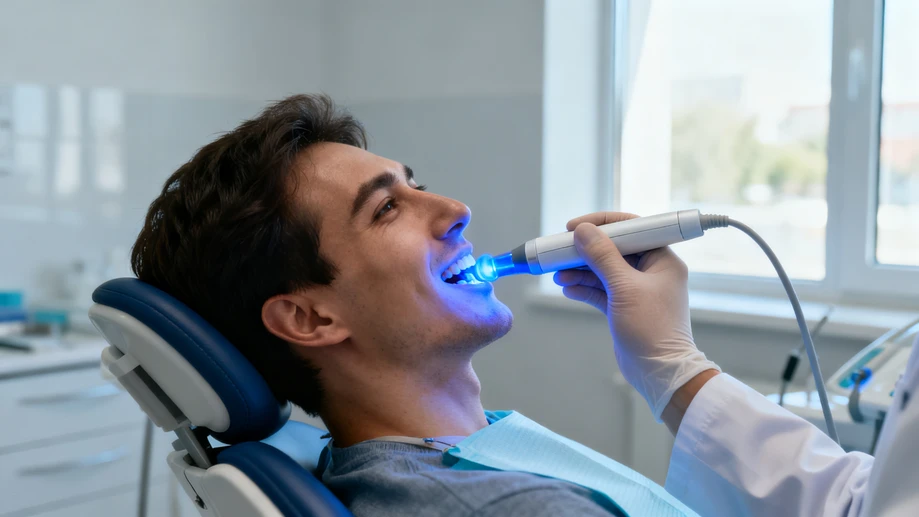
Modern dentistry has transformed cavity detection from medieval guesswork to space-age technology. Forget just metal picks – dentists now use fluorescent laser devices that make decay glow bright orange, catching problems before they become visible. Digital X-rays reveal hidden trouble between teeth with 90% less radiation than traditional methods. For early-stage cavities, remineralizing treatments like fluoride varnish or calcium phosphate pastes can actually reverse damage without drilling. Even fillings have evolved; tooth-colored composites bond molecularly to enamel, while glass ionomer releases fluoride for ongoing protection.
Your toothbrush is your first line of defense, but technique matters more than fancy gadgets. Angle bristles at 45 degrees toward gums and use gentle vibrations rather than harsh scrubbing. Electric toothbrushes with pressure sensors prevent enamel damage – studies show they remove 21% more plaque. Don't neglect the ninja move of dental hygiene: flossing reaches where brushes can't, disrupting bacterial colonies between teeth. For added protection, alcohol-free fluoride mouthwash used at separate times from brushing creates ongoing protection. Schedule check-ups strategically – visiting your dentist right before summer vacation or holiday seasons ensures any emerging issues get addressed before treat-heavy celebrations.