
Is Your Toothbrush Secretly Plotting Against You?
The Unspoken Truth About Daily Dental Habits You Can't Ignore
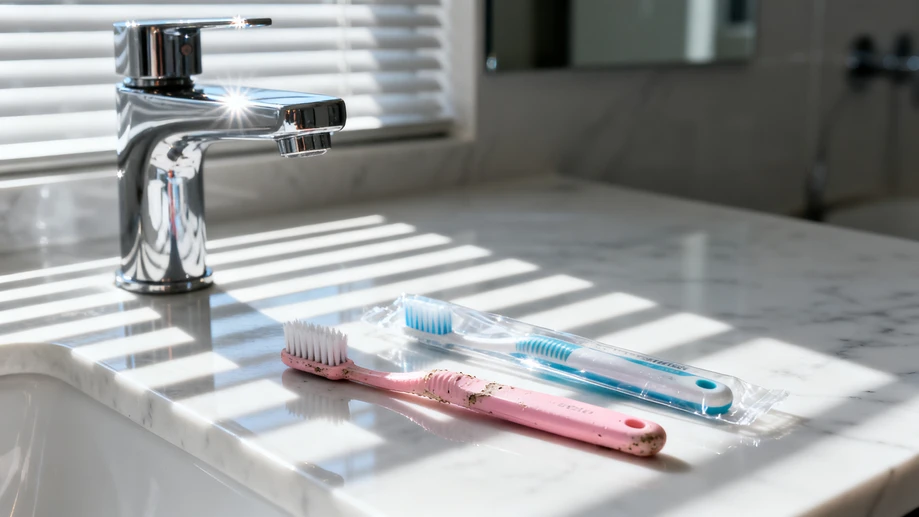
Think your toothbrush is your trusty ally in the fight for a sparkling smile? Think again. That innocent-looking tool nestled in your bathroom cup might be harboring dark secrets – or at least, some seriously counterproductive habits you're enabling. The average person replaces their toothbrush every nine months, while dentists wave red flags insisting on a three-month maximum. Why the urgency? Frayed bristles aren't just ineffective plaque removers; they become cozy condos for bacteria, potentially reintroducing germs you thought you'd banished. That minty freshness post-brush? It might be masking a microscopic jungle party happening right on your bristles. The plot thickens when you realize vigorous scrubbing with an old brush can actually erode enamel, turning your defender into a stealthy saboteur.
Hard bristles don't equate to a deeper clean; that's dental dogma begging for debunking. Many reach for firm brushes believing they offer superior scrubbing power, like choosing a wire brush over a soft cloth. Reality check: enamel is tough but not invincible, and gums are delicate. Aggressive brushing with hard bristles is akin to sandpapering your precious pearly whites and delicate gum tissue. The consequence? Gum recession, where tissue pulls away from teeth, exposing sensitive roots and creating pockets perfect for bacteria to throw destructive raves. Dentists unanimously champion soft-bristled brushes – they flex to clean under the gumline effectively without causing collateral damage. It’s not about force; it’s about finesse and technique.
Speaking of technique, the "sawing back-and-forth" method popularized by cartoons deserves retirement. Imagine trying to polish a precious gem with frantic, horizontal scrubs – you'd scratch it! Teeth deserve the same respect. The gold standard? Gentle, circular motions at a 45-degree angle to the gums, ensuring each tooth gets individual attention. Duration matters too. The magic two minutes isn't arbitrary; it’s the minimum time needed to adequately cover all surfaces. Most adults fall woefully short, averaging around 45 seconds. Try humming your favorite chorus twice or investing in a brush with a built-in timer. And pressure? Think "massaging," not "scrubbing the floor." If your bristles look like they've been flattened by a steamroller after a month, you're brushing too hard. A good test: can you brush a ripe strawberry without damaging its skin? That's the gentle touch your gums crave.
Flossing often feels like the optional extra credit of oral hygiene, but skipping it is like cleaning only 60% of your car and calling it done. Your toothbrush, no matter how advanced, simply cannot reach the tight spaces between teeth where plaque and food particles conspire to form tartar and cause decay. The "flossing causes gaps" myth is pure fiction; gaps you feel are likely pre-existing tartar buildup being removed. Modern alternatives like water flossers or interdental brushes offer excellent options if traditional string feels cumbersome. The key is consistency – doing it thoroughly once a day trumps a rushed job twice. Picture it as evicting the tiny tenants setting up destructive colonies between your teeth. Neglect this, and you're essentially rolling out the welcome mat for cavities and gum disease, no matter how diligently you brush.
What about the after-meal brush? Rushing to scrub immediately after indulging in acidic foods (citrus fruits, soda, wine) or sugary treats is counterproductive. Acid temporarily softens enamel, and brushing right away can actually accelerate wear. Instead, swish with water to neutralize acids and dislodge loose particles, then wait at least 30 minutes before brushing to allow enamel to re-harden. Chewing sugar-free gum (especially with xylitol) can stimulate protective saliva flow in the meantime. Hydration is another unsung hero; a dry mouth is a playground for bacteria. Sipping water throughout the day helps wash away debris and maintains a healthy oral environment. Your mouth isn't just a processing plant; it's an ecosystem needing balance.
So, is your toothbrush plotting against you? Only if you let it through neglect, misinformation, or misguided habits. The real conspiracy is the illusion that oral care is complicated. It boils down to simple, consistent actions with the right tools: a soft brush replaced quarterly, gentle technique for two minutes twice daily, daily interdental cleaning, mindful timing after acidic foods, and staying hydrated. Think of it not as a chore, but as a non-negotiable investment in your overall health – fresh breath and a confident smile are just the visible dividends. Ditch the dental drama and turn your daily routine into a masterclass in preventative care. Your future self (and your dentist) will thank you profusely.