
Do The Little Daily Habits You Swear By Secretly Ruin Your Teeth
This lighthearted dental science piece breaks down widely misunderstood oral health facts to help you keep your strong, bright smile without extra unnecessary effort or costly visits.
Have you ever finished a large iced matcha latte on your way to work, and winced a little when the cold liquid hit a spot on your back molar that felt unexpectedly sharp and sensitive? Most people write that small twinge off as nothing serious, or assume they just need to use a sensitivity toothpaste for a week and it will go away, but that tiny little pain is almost always a warning sign that some small, repeated habit you have been doing every day for months or even years has slowly worn away the thin protective layer of enamel on your teeth. The worst part is that enamel does not grow back on its own, so the damage you do to it before you notice any symptoms is permanent, even if you start taking much better care of your teeth later on. A lot of the most common damage to people’s teeth does not come from eating too much candy or skipping brushing at night, the two things every dentist reminds us of every six months at checkups, it comes from tiny, seemingly harmless actions no one ever really thinks twice about, that add up over time.
One of the most pervasive wrong beliefs people hold about dental health is that hard bristled toothbrushes clean your teeth better than soft ones, so they scrub their teeth back and forth as hard as they can right after drinking soda, eating citrus fruit, or finishing a bowl of sour spicy noodles. The acidic food and drink you consume softens the top layer of enamel for at least 30 minutes after you finish eating, so scrubbing it aggressively immediately rubs away tiny particles of that weakened enamel before it has a chance to re-harden with the help of your natural saliva. Many people also believe that bleeding gums are a sign that you need to brush harder to clear out leftover food stuck under the gum line, when in reality bleeding is a clear sign of mild gum inflammation caused by plaque buildup, and aggressive brushing will only scratch the tender gum tissue, make the inflammation worse, and even lead to permanent gum recession that exposes the sensitive root of your teeth that has no enamel protection at all.
You might not even realize that many casual little actions you do without thinking put massive hidden stress on your teeth, and millions of people end up in dental clinics every year with cracked molars that only started hurting long after the small crack formed. Biting open plastic packaging when you cannot find a pair of scissors, chewing on the end of a pen while you are working on a tedious report, crunching on ice cubes at the bottom of your drink, or even biting down too hard on the end of a plastic straw when you zone out are all extremely common habits that create tiny invisible cracks on the surface of your teeth. These cracks will slowly get deeper over months, letting food debris and bacteria seep down into the soft inner pulp of the tooth, until one day you bite down on a tiny piece of apple seed or a hard candy and feel a sharp, throbbing pain that does not go away for hours, at which point the only available treatment is usually a costly root canal procedure instead of a simple small filling that could have fixed the issue if you had caught it early enough.
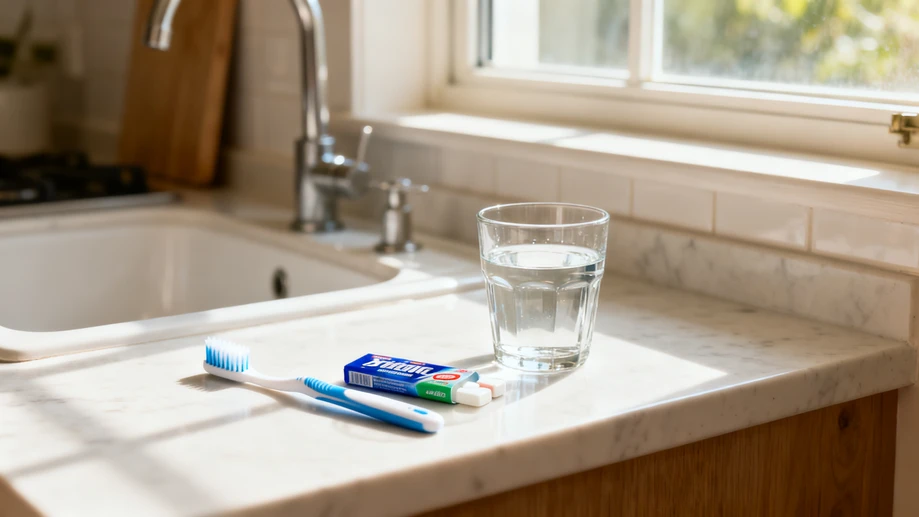
Fortunately, you do not have to overhaul your entire daily routine or spend hundreds of dollars on fancy oral care products to reverse the early signs of damage and keep your teeth healthy for decades, and all the adjustments you need to make take less than two extra minutes of your time each day. Instead of brushing your teeth right after an acidic meal or drink, rinse your mouth out with plain water, then wait 45 minutes before you brush to give your saliva enough time to naturally remineralize and re-harden your softened enamel. Swap out that hard bristled toothbrush for a soft bristled model, and brush in tiny gentle circular motions instead of scrubbing side to side across the surface of your teeth. Keep a small pack of sugar-free xylitol chewing gum in your bag or desk, and chew one piece for five minutes after any meal you cannot brush after, since xylitol stops harmful cavity causing bacteria from sticking to your teeth, and the extra saliva production will neutralize acid in your mouth far more effectively than a quick rinse.
Many people also put off their twice a year dental cleaning for years because they believe the common myth that cleaning your teeth will make them looser and leave ugly gaps between your teeth, but those loose feelings and gaps only show up because large, thick layers of tartar have been building up along your gum line for years, holding apart damaged gum tissue and hiding the existing gaps that were already there. Removing that tartar with a standard professional cleaning stops the progression of gum disease that would eventually make you lose your teeth far earlier than you would expect, and only costs a fraction of the price you would pay to fix a cracked molar or do a root canal later on. The best part about caring for your teeth is that small, consistent good habits do not demand a huge amount of effort, and they give you huge long term rewards: you will never have to cancel a weekend plan because of a sudden toothache, you will be able to eat all your favorite cold, crispy, chewy foods without any sharp pain, and you will keep your natural, comfortable smile for decades longer than most people around you.