
Is Your Child's Smile Hiding a Secret?
The Untold Story of Tiny Teeth and Big Adventures
Imagine your child's mouth as a bustling, miniature city. Twenty tiny pearly residents (baby teeth!) are busy at work, helping your little one crunch apples, giggle wildly, and pronounce tricky words like "spaghetti." But just like any thriving city, unseen challenges lurk beneath the surface. These baby teeth, often called "milk teeth," are far more than just temporary placeholders; they are the unsung heroes guiding the permanent teeth into their perfect positions and ensuring your child's jaw develops correctly. Neglecting them is like ignoring the foundation of a house – problems might not show immediately, but the future structure could be shaky. Their health directly impacts speech development, nutrition (ouch! hurts to chew!), and even confidence when flashing that precious grin.
Now, meet the sneaky villains threatening this tiny metropolis: the Sugar Bugs! When sugary treats and starchy snacks (like crackers or bread) linger in the mouth, they throw a wild party for harmful bacteria. These bacteria produce acids as their party waste, and these acids are like tiny jackhammers, relentlessly chipping away at the hard outer layer of the teeth, the enamel. This is how cavities, those dreaded little holes, are born. It's not just about obvious candy; juice, dried fruit, and even frequent milk sipping can fuel the bacteria's destructive bash. The key isn't banning fun forever, but managing the party schedule – limiting sugary attacks and giving teeth plenty of breaks to recover with the help of saliva, nature's own tooth cleaner.
So, how do we become superheroes protecting Tooth City? The mighty Toothbrush and Fluoride Toothpaste are our primary weapons! Brushing twice a day is like sending in a cleaning crew after the Sugar Bug party. For young children, parents need to be the chief cleaners. Use a soft-bristled, child-sized brush and a smear of fluoride toothpaste (about the size of a grain of rice for under 3s, a pea-sized amount for 3-6 year olds). Make it an adventure! Pretend to hunt for hidden "sugar monsters" behind the molars or on the tongue. Sing a special brushing song for two whole minutes – that's the magic time needed to evict all the party crashers. Flossing? It's the secret agent reaching between teeth where the brush can't go, dislodging hidden invaders. Start flossing as soon as two teeth touch.
Our food choices are powerful allies or dangerous foes. Think of crunchy fruits and vegetables (apples, carrots, celery) as the Tooth City's natural scrubbers. They help clean teeth surfaces and stimulate healthy gums. Cheese and milk are like the city's repair crew, providing calcium and phosphates to rebuild enamel. Water, especially fluoridated tap water, is the ultimate defender, constantly rinsing away food bits and delivering essential minerals. On the flip side, sticky gummies or chewy candies are the Sugar Bugs' favorite building materials, clinging stubbornly to teeth. Frequent sipping of juice or soda throughout the day is like giving the villains a non-stop energy drink, keeping the acid attack going. Save sweet treats for mealtimes when saliva production is higher to help wash them away.
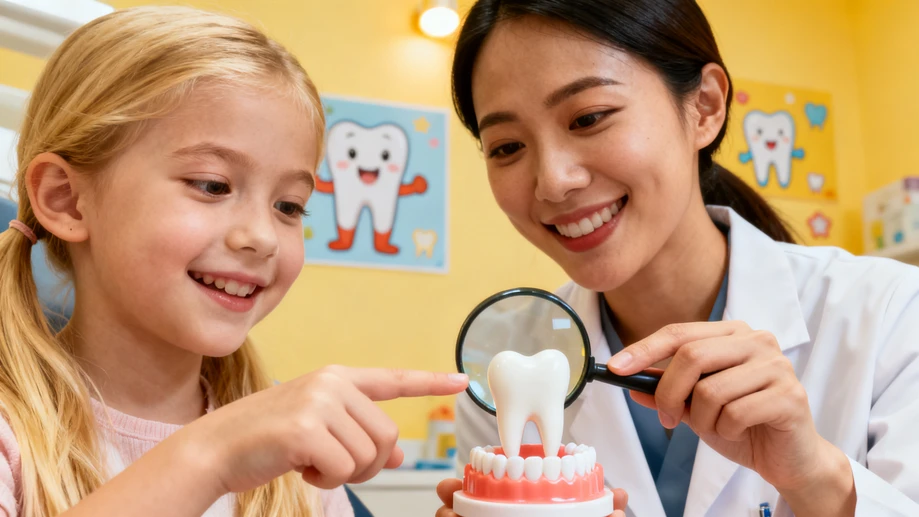
Even the bravest superheroes need a wise guide. Enter the friendly neighborhood Tooth Detective – the pediatric dentist! The first visit should happen by the time the first tooth appears or no later than the first birthday. These visits aren't scary; they're exciting explorations! The dentist counts teeth, checks for early signs of trouble, gently cleans, and applies protective fluoride varnish – like a shield for the enamel. They can spot potential problems long before you or your child notices any pain. Regular check-ups (usually every six months) build comfort and familiarity, turning the dentist's office into a place of positive reinforcement and learning, not fear. They are your partners in ensuring that secret behind your child's smile is simply pure, healthy joy.