
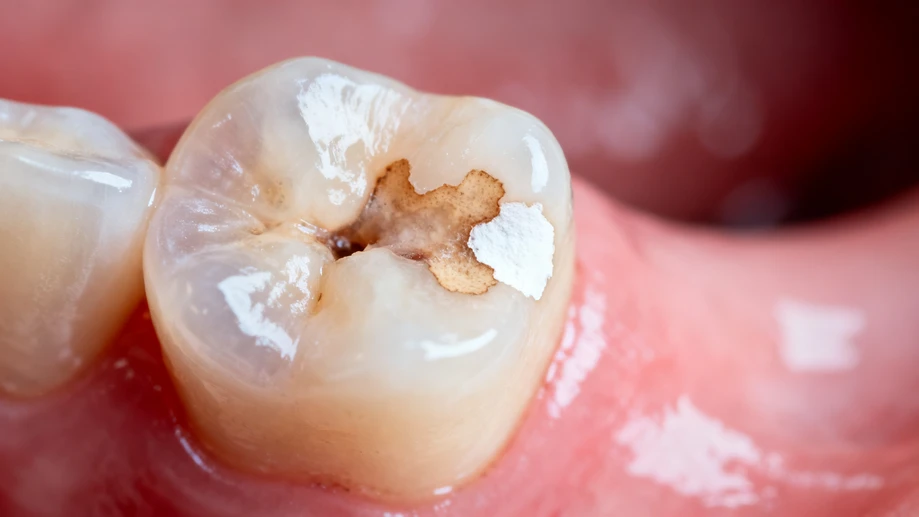
The Top 5 Secrets Your Teeth Are Hiding About Cavities (But Your Dentist Won't Tell You)
Unlock the surprising truths behind those sneaky holes in your teeth
Imagine tiny, hungry monsters throwing a demolition party inside your mouth. That's essentially what happens when cavities declare war on your pearly whites! These uninvited guests – called dental caries – aren't just a childhood nuisance; they're stealthy saboteurs affecting over 2.3 billion adults globally. Yet, behind the familiar sting of a dentist's drill lies a world of bizarre biological drama most people never hear about. From bacterial espionage to microscopic self-repair missions, your teeth are engaged in a daily battle royale. Forget boring textbook explanations – we're diving into the jaw-dropping, lesser-known secrets of cavities that might just change how you view your next dental checkup.
Secret number one? Cavity-causing bacteria are master spies with sticky fingers. Streptococcus mutans, the James Bond of tooth decay, doesn't just eat sugar – it weaponizes it. When you munch that cookie, these microbes transform sucrose into glue-like "biofilm" cementing themselves onto your enamel. Worse, they're social creatures! Research reveals they communicate through chemical signals, coordinating attacks like microscopic armies. Their waste product? Acid bombs that dissolve your enamel hour by hour. Surprisingly, crunchy foods like apples act as natural toothbrushes, scrubbing away some of this sticky plaque – nature's counterintelligence against bacterial espionage.
Here's a secret that'll make you think twice about sharing spoons: cavities are contagious! Yes, you read that right. Studies show Streptococcus mutans can hop from mouth to mouth through saliva exchange. Parents often transmit these bacteria to babies by tasting food or cleaning pacifiers. A surprising 2018 Journal of Pediatric Dentistry study found siblings frequently share identical cavity-causing strains. Even passionate kissing swaps oral microbes – making dental health a team sport. While you can't live in a bubble, being mindful of shared utensils and maintaining good hygiene creates a biological forcefield against these microbial hitchhikers.
Your enamel possesses a superpower dentists rarely mention: self-repair! Before a full-blown cavity forms, early-stage decay triggers "remineralization." Here's the magic: minerals like calcium and phosphate in saliva flow into microscopic weak spots, rebuilding enamel crystals. Fluoride acts like a construction foreman, accelerating this natural repair process. Foods like cheese and leafy greens become enamel's best allies, delivering crucial minerals. Think of it as your mouth's microscopic construction crew working overtime – but only if you give them breaks between sugar attacks. This biological renovation project happens daily, turning your saliva into liquid armor against decay.
Saliva isn't just spit – it's your mouth's unsung superhero. This watery wonder neutralizes acid attacks within minutes, contains enamel-healing minerals, and even washes away food particles. Dry mouth sufferers face triple cavity risk because saliva production plummets. Nighttime is especially perilous; reduced saliva flow allows bacteria to party unchecked. Fun fact: chewing sugar-free gum boosts saliva by 10x, creating a temporary protective tsunami. Your hydration habits directly impact this defense system; drinking water maintains saliva's pH-balancing act. Truly, every swallow is a silent victory in the war against cavities!
Dentists' biggest open secret? Prevention beats drilling every time. Modern dentistry focuses on intercepting decay before it becomes a cavity. Silver diamine fluoride can halt decay in its tracks, turning affected areas black but saving the tooth. Sealants act like raincoats for molars, blocking bacteria from grooves. Even xylitol – found in some gums – tricks bacteria into starving themselves. The real game-changer? Personalized risk assessments using AI saliva tests predict cavity susceptibility years in advance. Remember, a cavity takes months to form; catching it early means less pain, lower costs, and keeping your natural teeth. Your smile's secret service starts with prevention!