
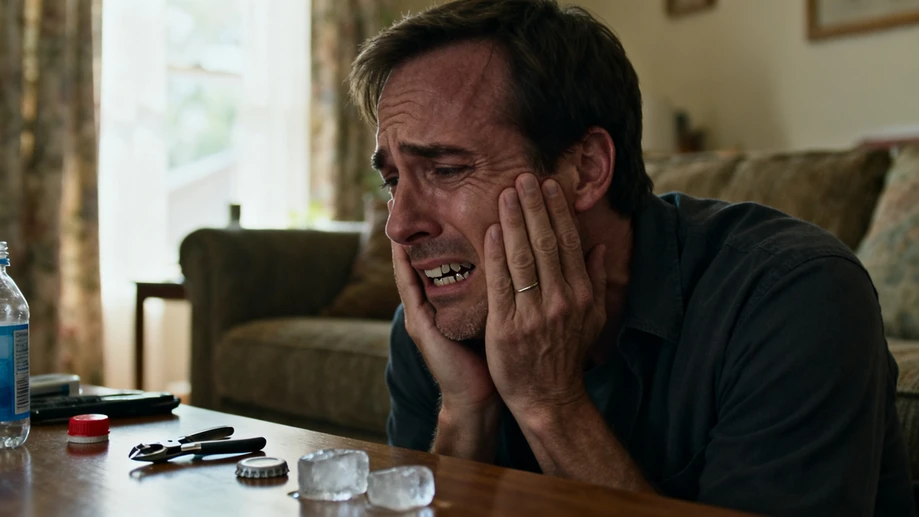
Your Teeth Are Screaming! Stop These Daily Habits Now!
Uncover the hidden dangers lurking in your everyday routines that are stealthily eroding your smile.
Picture this: you're lounging on the sofa, mindlessly nibbling on a pen cap while binge-watching your favorite show. It feels harmless, right? But behind the scenes, your teeth are silently bearing the brunt of habits that millions practice daily without a second thought. From biting nails to chomping on ice cubes, these small actions accumulate over time, leading to irreversible damage. Dentists worldwide report that such routines often stem from stress or boredom, making them hard to break. Yet, ignoring them sets the stage for a dental nightmare—think of it as a ticking time bomb for your pearly whites. The irony? Most people don't even realize they're doing it until the pain hits. So, before you reach for that stubborn bag of chips with your teeth, pause and ask: is this momentary convenience worth a lifetime of regret? This article dives deep into the science behind these sneaky saboteurs, backed by real-life studies, to show how your daily indulgences could be the enemy within.
What exactly are these seemingly innocent habits that wreak havoc on your teeth? Let's start with the classics: nail-biting tops the list, a nervous tic for many that chips away at enamel like a tiny jackhammer. Then there's using your teeth as tools—opening bottles, tearing tags off clothes, or even holding items when your hands are full. It might feel efficient, but it's akin to turning your molars into makeshift pliers. Chewing on hard objects like ice, pens, or popcorn kernels adds another layer of risk, as the force can cause microfractures invisible to the naked eye. Worse yet, nighttime grinding or clenching, known as bruxism, often goes unnoticed until you wake up with a sore jaw. And don't forget poor oral hygiene shortcuts—rushing through brushing, skipping flossing, or overindulging in sugary snacks. These behaviors might offer fleeting comfort, but they're all feeding a cycle of decay. Take Sarah, a 35-year-old accountant, who admitted to biting her nails during work meetings. "I thought it was just stress relief," she said, "until my dentist showed me the cracks in my front teeth." Her story isn't unique; research shows that over 60% of adults engage in at least one such habit, setting off a chain reaction.
The consequences of these daily indulgences are far more sinister than you'd imagine. First off, enamel erosion is a major player—repeated friction from biting or grinding wears down this protective layer, leaving teeth vulnerable to sensitivity. Imagine sipping hot coffee and feeling a sharp jolt; that's your nerve endings screaming for mercy. Next, structural damage like chips or cracks can occur suddenly, often during routine activities, leading to costly repairs. For instance, a small fracture might escalate into a root canal if ignored. Worse, habits like nail-biting introduce bacteria into your mouth, increasing the risk of infections and gum disease, which links to broader health issues like heart problems. Plus, nighttime grinding puts immense pressure on your jaw joints, causing TMJ disorders that result in chronic headaches. The financial toll is staggering: Americans spend billions annually on dental work stemming from preventable habits. A 2023 study found that those with these routines face up to 50% higher dental bills over a decade. But beyond the dollars, there's an emotional cost—deteriorating teeth can crush confidence, making people hide their smiles in photos or social settings. "I avoided dating for years," confessed Jake, a 28-year-old teacher, after his grinding habit caused visible damage. "It wasn't just pain; it felt like I was losing part of myself."
So, how do these habits translate into real-world havoc? The domino effect starts small but escalates fast. Enamel loss leads to increased sensitivity, where even cold air can trigger discomfort, making eating a chore. As teeth weaken, they become prone to cavities and decay, requiring fillings or crowns. In severe cases, untreated grinding can result in tooth loss, forcing implants that cost thousands. Beyond the mouth, the impact ripples out—poor oral health is tied to systemic issues like diabetes and respiratory infections. Consider the social fallout: stained or damaged teeth affect how others perceive you, potentially harming relationships or job prospects. A survey revealed that 70% of respondents associate dental problems with poor self-care, creating a stigma. The psychological toll is real too; constant pain can lead to anxiety and depression. Yet, many delay seeking help because they dismiss the signs as minor. "I thought the sensitivity would go away," said Maria, a 42-year-old nurse, who ignored her ice-chewing habit until a tooth cracked during dinner. "Now I'm facing a year of treatments." Her experience underscores a harsh truth: these habits are silent saboteurs, chipping away at your well-being one bite at a time.
Breaking free from these destructive patterns isn't rocket science—it's about awareness and simple swaps. Start by identifying your triggers: if stress fuels nail-biting, try stress balls or fidget spinners instead. For teeth-as-tool moments, keep scissors or bottle openers handy to avoid temptation. Combat grinding with a custom night guard from your dentist; it's a small investment that prevents major damage. Improve oral hygiene by brushing twice daily with fluoride toothpaste and flossing—yes, it's boring, but it's your best defense. Limit sugary treats and opt for crunchy veggies like carrots that clean teeth naturally. Apps can help track habits, sending reminders to stay on track. Regular dental check-ups are crucial; they catch issues early, saving you pain and money. "I swapped ice for sugar-free gum," shared Tom, a 50-year-old engineer, who reversed years of damage. "It took weeks, but my teeth feel stronger now." Remember, consistency is key—small changes build big results. And if you slip up, don't beat yourself up; progress, not perfection, is the goal. By making these tweaks, you're not just saving your smile; you're investing in a healthier, happier you.
In the end, your teeth are more than just tools for chewing—they're windows to your overall health and confidence. By ditching those sneaky habits, you're not avoiding pain; you're reclaiming your life. Think of it as a daily act of self-love: every time you resist biting that nail or choose a healthy snack, you're building a fortress against decay. Share this knowledge with friends and family; together, we can create a ripple effect of better oral care. So next time you catch yourself reaching for that pen cap, pause and smile—because a brighter, pain-free future is just one habit away. Start today, and let your teeth thank you for years to come.