
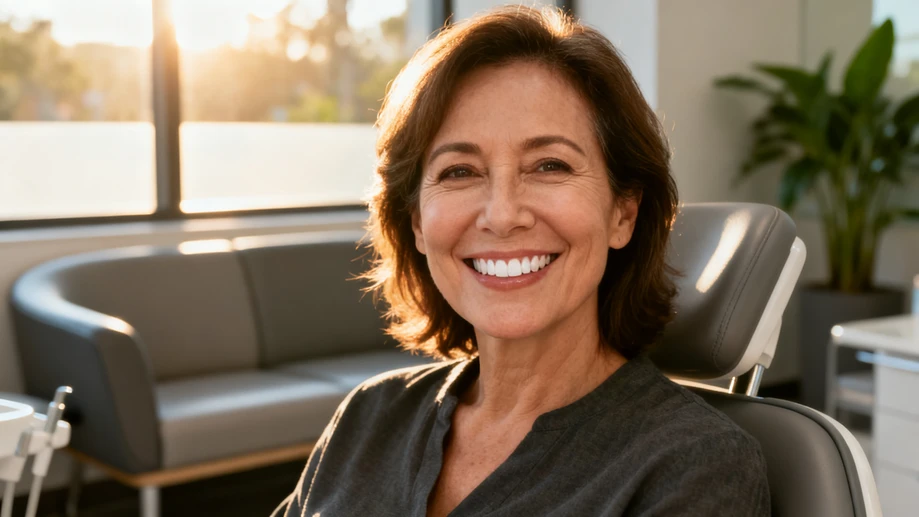
Is Your Smile Secretly Sabotaging Your Confidence?
The Unspoken Truth About Cosmetic Dentistry That Could Change Your Life
Imagine meeting someone for the first time. Within seconds, your brain makes snap judgments about their warmth, trustworthiness, and competence. What’s the most powerful tool influencing this instant assessment? Research shows it’s their smile. A study in the Journal of Neuropsychology revealed our brains process smiles faster than any other facial expression, lighting up reward centers like neural fireworks. Yet millions hide their grins due to stained, crooked, or damaged teeth – unaware that modern cosmetic dentistry offers subtle, life-changing solutions. This isn’t about vanity; it’s about unlocking a fundamental human connection tool we’re biologically wired to respond to.
Cosmetic dentistry has evolved far beyond basic whitening strips. Today’s options include porcelain veneers – custom-made shells thinner than a contact lens that transform teeth in just two appointments. Then there’s minimally invasive composite bonding, where tooth-colored resin sculpts imperfections like digital clay. Even clear aligners like Invisalign discreetly straighten teeth while allowing you to eat normally. The most revolutionary shift? Treatments now prioritize preserving natural tooth structure. Dentists use microscopic analysis to match restorations to your unique enamel translucency and texture, creating results so seamless even your dentist might struggle to spot the work.
Consider the case of ceramic veneers. Unlike the bulky caps of the 90s, modern versions require minimal tooth reduction. Using intraoral scanners instead of messy impressions, dentists create 3D models to design veneers that mimic light refraction like natural enamel. The transformation isn’t just visual – patients report unexpected psychological shifts. Sarah Jennings, a teacher who got veneers after tetracycline staining, describes it: "It wasn’t just about prettier teeth. I stopped covering my mouth when laughing. Job interviews felt different. That constant background anxiety vanished." This confidence boost isn’t anecdotal; a 2023 study linked cosmetic dental improvements to measurable reductions in social anxiety.
But what about maintenance? The "Hollywood smile" myth suggests endless upkeep, yet today’s materials defy expectations. Zirconia crowns can withstand 1,200 MPa of pressure – stronger than natural enamel. Nano-hybrid composite resins resist coffee stains better than real teeth. Even whitening has evolved: LED-accelerated treatments achieve years of brightness in one lunch break, while enamel-safe formulas prevent sensitivity. The real game-changer? Digital smile design software. Dentists now preview your results during the consultation using AI simulations, adjusting proportions in real-time until your virtual smile matches your vision. No more guessing games.
Cost remains a barrier for many, but options exist. Dental schools offer supervised procedures at 40-60% discounts. Some clinics provide payment plans for treatments like composite bonding starting under $300 per tooth. More importantly, view it as a lifetime investment: quality veneers last 15-20 years. Compare that to daily makeup expenses or frequent haircuts. As Dr. Elena Rodriguez notes, "We’ve moved from ‘repairing’ teeth to ethically enhancing them. The goal isn’t perfection – it’s helping people reclaim their authentic, unselfconscious smile."
Ultimately, cosmetic dentistry’s magic lies in its invisibility. The best work goes unnoticed – people just perceive you as more vibrant. Unlike fillers or surgery, dental enhancements age gracefully with you. So next time you hesitate before smiling in a photo or meeting, remember: solutions exist that are more accessible, durable, and natural-looking than you imagine. Your confident grin might be just one consultation away from changing how the world sees you – and how you see yourself.